Facelift for Men
Appleton & Green Bay, WI


For many men, facial aging becomes most noticeable around the lower face and neck. The jawline loses some of its definition, the skin becomes looser, and jowls may begin to develop. At Wisconsin Institute of Plastic Surgery, Dr. Tina Sauerhammer uses facelift surgery to address these changes while preserving the natural character and proportions of your face.
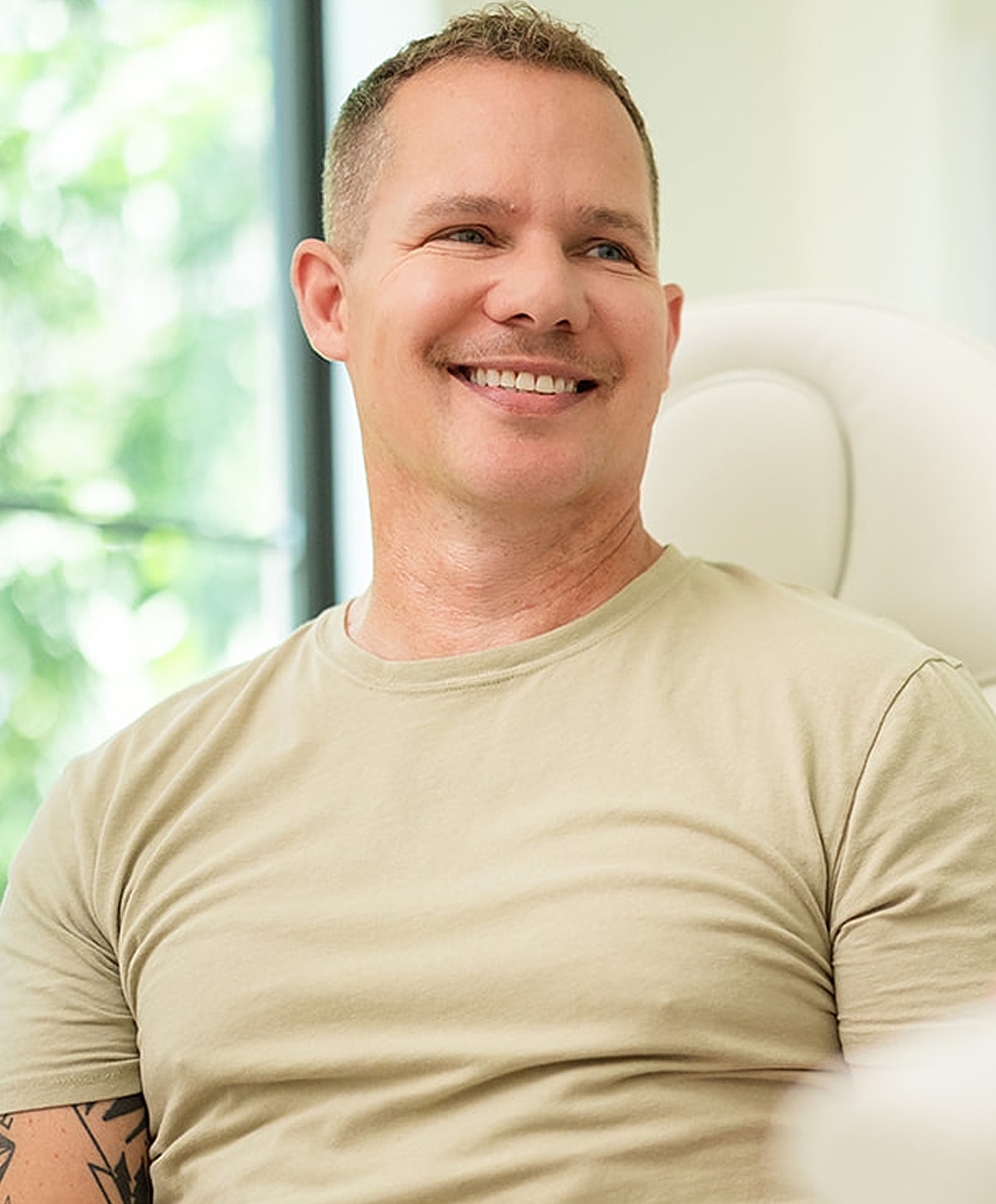

A facelift is a surgery that lifts deeper facial tissues and removes extra skin to improve visible signs of aging. It mainly targets the midface, lower face, jawline, and sometimes the neck. Modern facelifts work under the skin instead of just tightening the surface, which helps restore a youthful look without making the face appear pulled.
Facelift surgery follows the same main ideas for men and women, but planning for men is a bit different. Men often have thicker facial tissue, stronger features, beard growth, shorter hair, or a receding hairline. These factors affect where incisions go and how much tissue needs to be moved.
Many men are concerned about a softer jawline, jowls, loose neck skin, or a double chin that makes the lower face look heavier. A male facelift can bring back balance and definition, but the goal isn’t to give everyone the same look. Dr. Sauerhammer takes into account your bone structure, facial shape, skin looseness, and the features you want to keep.
Facial hair and hairlines also need careful planning. Beard-growing skin should stay in its natural spot around the ears, and sideburns should not be moved unless needed. For men with thinning or receding hair, placing incisions thoughtfully is even more important since there is less hair to hide scars. These differences are well known in male facial procedures.
A facelift procedure may improve:
A facelift doesn’t fix every sign of aging. Issues like forehead lines, extra eyelid skin, pigmentation, fine wrinkles, and skin texture may need other treatments such as eyelid surgery, a brow lift, injectables, or skin resurfacing.
Yes. Facelift surgery can reposition sagging tissue that has settled along the jaw, reducing jowls and restoring a cleaner transition between the face and neck. For many patients, this is one of the most noticeable benefits of the procedure.
If loose skin, muscle bands, or fullness go further into the neck, a neck lift or extra neck surgery might be needed for the best result. Some men only need a neck procedure, while others get better results by treating the lower face and neck together. The right plan depends on where you see aging, not just the name of the procedure.

There’s no single facelift technique that’s best for every male patient. Wisconsin Institute of Plastic Surgery offers several approaches, and Dr. Sauerhammer chooses among them based on the location and degree of facial aging.
The SMAS is a supportive layer beneath the skin. Repositioning it allows Dr. Sauerhammer to improve the lower face and jawline without relying on excessive tension on the skin.
A deep plane facelift repositions deeper facial tissues together and may be appropriate when more significant descent has developed through the cheeks and lower face.
A mini facelift is designed for more limited skin laxity and early jowling when a standard facelift would provide more correction than the patient needs.
The best technique depends on your tissues, facial shape, and what results you want, not just your age. If you are not sure which option fits your needs, a consultation lets Dr. Sauerhammer look at your face and explain what each choice can actually do.
You might be a good candidate if you notice sagging skin, jowls, or less definition in your lower face and nonsurgical treatments are not helping anymore. Most patients should be in good health and have realistic expectations about surgery, scars, recovery, and ongoing aging.
There’s no set age for a male facelift. Skin quality, facial shape, genetics, weight loss, sun exposure, and other factors affect everyone differently. Dr. Sauerhammer decides if surgery is right for you based on what has changed in your face and whether a procedure can help.
Not every man worried about facial aging needs surgery. If your main concern is early volume loss, wrinkles, or mild changes, nonsurgical treatments might still help. Injectables can add volume or smooth some lines, and other treatments can improve skin quality and texture.
Facelift surgery is most helpful when you have loose skin and tissues that have shifted downward. Fillers can add volume, but they cannot move jowls or remove extra skin. Dr. Sauerhammer recommends the least invasive treatment that can meet your goals, so booking a consultation does not mean you have to choose surgery. It helps you understand if surgery is right for you now or if a less invasive option is better.

Facelift surgery is done under general anesthesia in the private surgical suite at Wisconsin Institute of Plastic Surgery. Dr. Sauerhammer makes precise incisions around the ears and, if needed, into the hairline. She then lifts the SMAS and deeper tissues before removing or adjusting extra skin. The procedure usually takes about three to four hours.
For men, details around the ears and hairline are especially important. Dr. Sauerhammer looks at sideburns, beard growth, current hair thickness, and possible future hair loss to make sure the surgery improves facial shape without moving hair-growing skin to an unnatural spot.
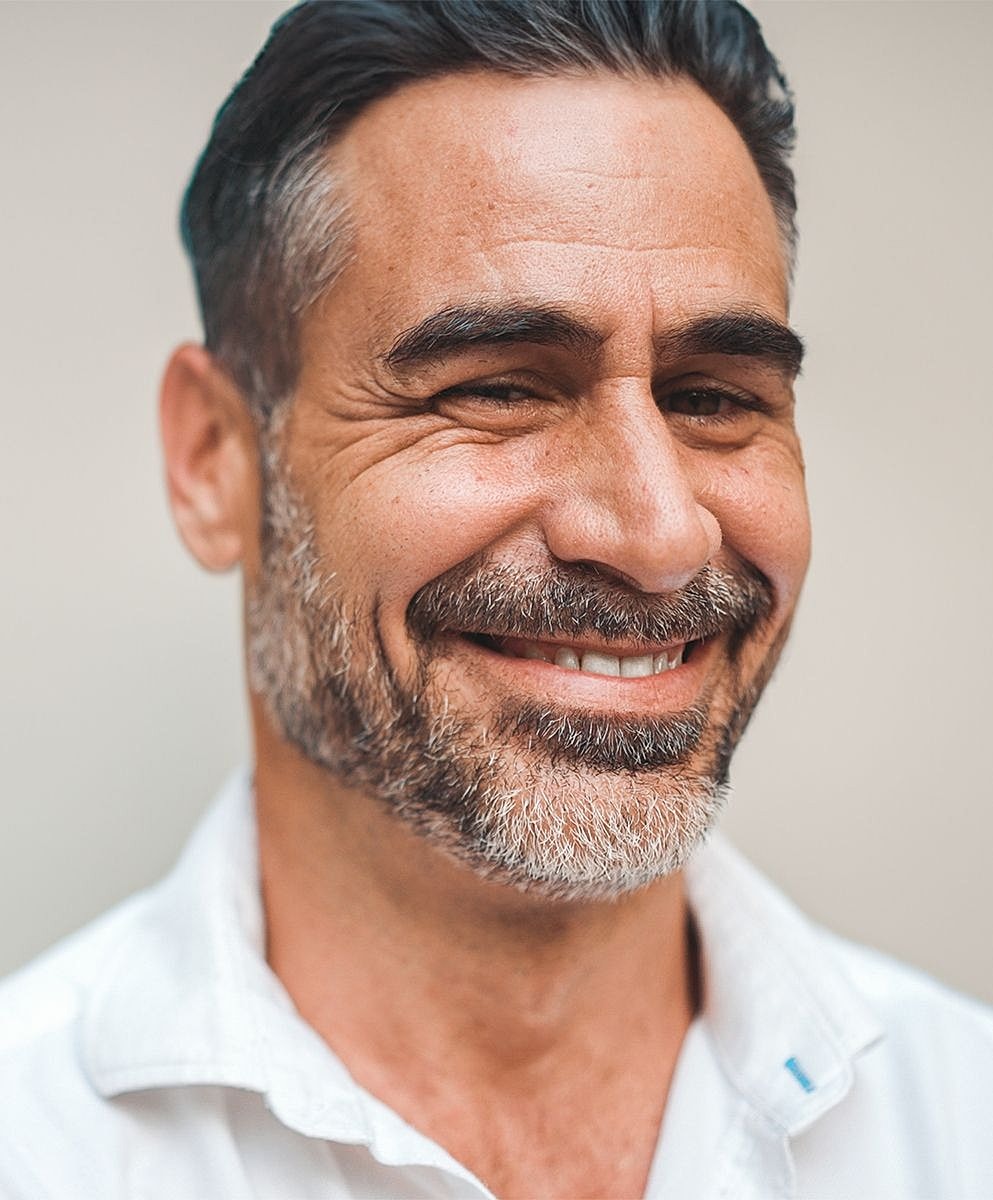
Facelift incisions usually follow the natural lines around the ears and may go into the hairline. They are placed to keep scars as hidden as possible, but facelift surgery will leave some scars.
Men often have less hair to cover scars than women, so where scars are placed matters more. Facial hair is also a factor, since moving beard-growing skin too close to or behind the ear can cause hair to grow in unusual places. Wisconsin Institute of Plastic Surgery says facelift scars usually flatten and fade over about a year, but healing times vary.
Swelling, bruising, tightness, and temporary changes in feeling are normal early in recovery. Wisconsin Institute of Plastic Surgery usually recommends two to three weeks of downtime after a facelift. Most patients have surgical drains removed at a follow-up visit the next day, and a facial compression dressing helps control swelling and bruising. Long-lasting local anesthesia also helps keep you comfortable during early recovery.
Bruising and swelling usually get much better in the first few weeks, but healing keeps going for several more. You’ll need to avoid heavy activity and follow Dr. Sauerhammer’s advice for sleeping, caring for incisions, shaving near healing areas, and getting back to exercise. The recovery timeline depends on the facelift type and if you had other procedures at the same time.
The goal of a male facelift isn’t to remove every line or make you look decades younger right away. It is to improve the changes that cause jowls, loose skin, and a heavier lower face so your features look more refreshed and defined.
You’ll notice changes as swelling goes down, and your facial shape will become more refined over three to six months. Facelift results often last 10 to 15 years, depending on your genetics, skin, lifestyle, and natural aging. Surgery doesn’t stop aging, but it gives your face a younger starting point.
Possible risks of facelift surgery include bleeding or hematoma, infection, fluid buildup, scarring, slow healing, numbness or other changes in feeling, uneven results, hair loss near incisions, facial nerve injury, and anesthesia complications. These risks will be discussed with you before you decide on surgery.
Men have a higher risk of hematoma after facelift surgery, so careful planning, health checks, and close monitoring after surgery are very important. Dr. Sauerhammer will review your medical history, medications, nicotine use, and other factors that could affect healing before making a surgical plan.

Yes. Comprehensive rejuvenation sometimes means treating more than one area, but other procedures should be added only when they address a separate concern.
A neck lift may be added when loose skin, muscle bands, or laxity below the jawline need more correction than a facelift alone will provide.
Eyelid surgery can address excess skin or puffiness around the upper or lower eyelids when the eyes are contributing to a tired appearance.
Fat transfer can restore volume in areas that have become hollow with age while the facelift repositions sagging facial tissue.
A brow lift may be appropriate for certain upper-face concerns, while injectable or skin treatments can address wrinkles, volume loss, pigmentation, or texture that facelift surgery doesn’t directly improve.

Facelift cost depends on what surgery is actually needed. A mini facelift focused on early lower-face laxity has a different surgical plan than a deep plane facelift combined with a neck lift or eyelid surgery.
The cost depends on the facelift technique, which areas are treated, how complex the surgery is, and if other procedures are done at the same time. Wisconsin Institute of Plastic Surgery gives you a personalized price after Dr. Sauerhammer examines your face and creates a treatment plan. The current facelift page explains that pricing is based on the complexity, features treated, and any added procedures like eyelid surgery.

Dr. Tina Sauerhammer is double board-certified by the American Board of Plastic Surgery and the American Board of Surgery and has nearly 15 years of experience with aesthetic plastic surgery and reconstructive procedures. Her craniofacial fellowship training gives her an especially detailed understanding of facial anatomy, and she previously participated on the team involved in the first full-face transplant performed in the United States.
That experience is important because facelift surgery involves more than just removing extra skin. Dr. Sauerhammer looks at deeper tissues, facial features, hairline, beard pattern, skin quality, and how the face and neck work together when choosing the right facelift technique. Surgery is done at Wisconsin Institute of Plastic Surgery’s private, AAAHC-certified center in Appleton.

You don’t need to know if you need a facelift, neck lift, eyelid surgery, injectables, or another facial treatment before your visit. Dr. Sauerhammer will look at your face and neck, figure out which changes are due to loose skin, fat, volume loss, or deeper tissue movement, and explain which options match your goals. You can also talk about incision placement, facial hair, scars, recovery, risks, cost, and what results you can realistically expect before making any decisions.
Contact Wisconsin Institute of Plastic Surgery to book your facelift consultation in Appleton or Green Bay, WI. Virtual consultations are also available if you cannot come in person because of your location or work schedule.
The basic surgical principles are similar, but the planning can be different. Male patients often have thicker skin and different facial hair and hairline patterns, and many place particular emphasis on the lower face, jawline, and neck. These factors affect incision placement and how the deeper facial tissues are repositioned.
It can affect hair-bearing skin if the incisions and tissue movement are not planned carefully. Male facelift surgery takes beard growth and sideburn position into account so hair-bearing skin is not unnecessarily moved into an unnatural location around the ear.
You can still be a facelift candidate. Short, thinning, or receding hair simply makes thoughtful incision placement even more important because there is less hair available to conceal scars.
A facelift can restore definition when sagging facial tissue and jowls are obscuring the jawline. It doesn’t change the shape of the underlying jawbone or chin, so Dr. Sauerhammer will determine whether tissue repositioning alone can produce the desired result.
It depends on where the aging changes are occurring. A facelift is generally more useful when the lower face and jowls are involved, while a neck lift focuses on laxity beneath the jaw and through the neck. Many patients have changes in both areas and may benefit from treating them together.
It may improve a double chin when loose skin, descended tissue, or superficial excess fat is contributing to the appearance. If fat is the primary issue and there is little skin laxity, another treatment may be more appropriate.
The goal is subtle refinement rather than changing your identity. Modern facelift techniques reposition underlying tissues instead of relying on an overly tight skin pull, helping create natural results that still reflect your existing facial features.
You’ll need to avoid shaving directly over healing incisions until Dr. Sauerhammer confirms that it is safe. Timing varies according to incision placement and how quickly your skin is healing.
Facelift results often last about 10 to 15 years, although genetics, skin quality, lifestyle, weight changes, and continued aging all affect longevity.
Facelift surgery performed for cosmetic reasons is not covered by insurance. Wisconsin Institute of Plastic Surgery provides personalized pricing based on the surgical plan developed for you.
At the Wisconsin Institute of Plastic Surgery, you can enjoy a range of cosmetic procedures and dedicated care in our offices in Appleton and Green Bay. As a double-board certified plastic surgeon, Dr. Sauerhammer specializes in rejuvenating surgical solutions, including breast augmentation, tummy tuck, and facelifts, designed to help you look and feel your best. We seamlessly integrate all our plastic surgery services with skilled dermatology care and aesthetic specialists: Megan MacCarthy, PA-C, Colleen Van Egeren, PA-C, and Amanda Olsen, PA-C. They prioritize your goals through comprehensive evaluations and advanced techniques to help you achieve optimal and long-lasting results.