Skin Cancer Screening
in Green Bay and Appleton, WI

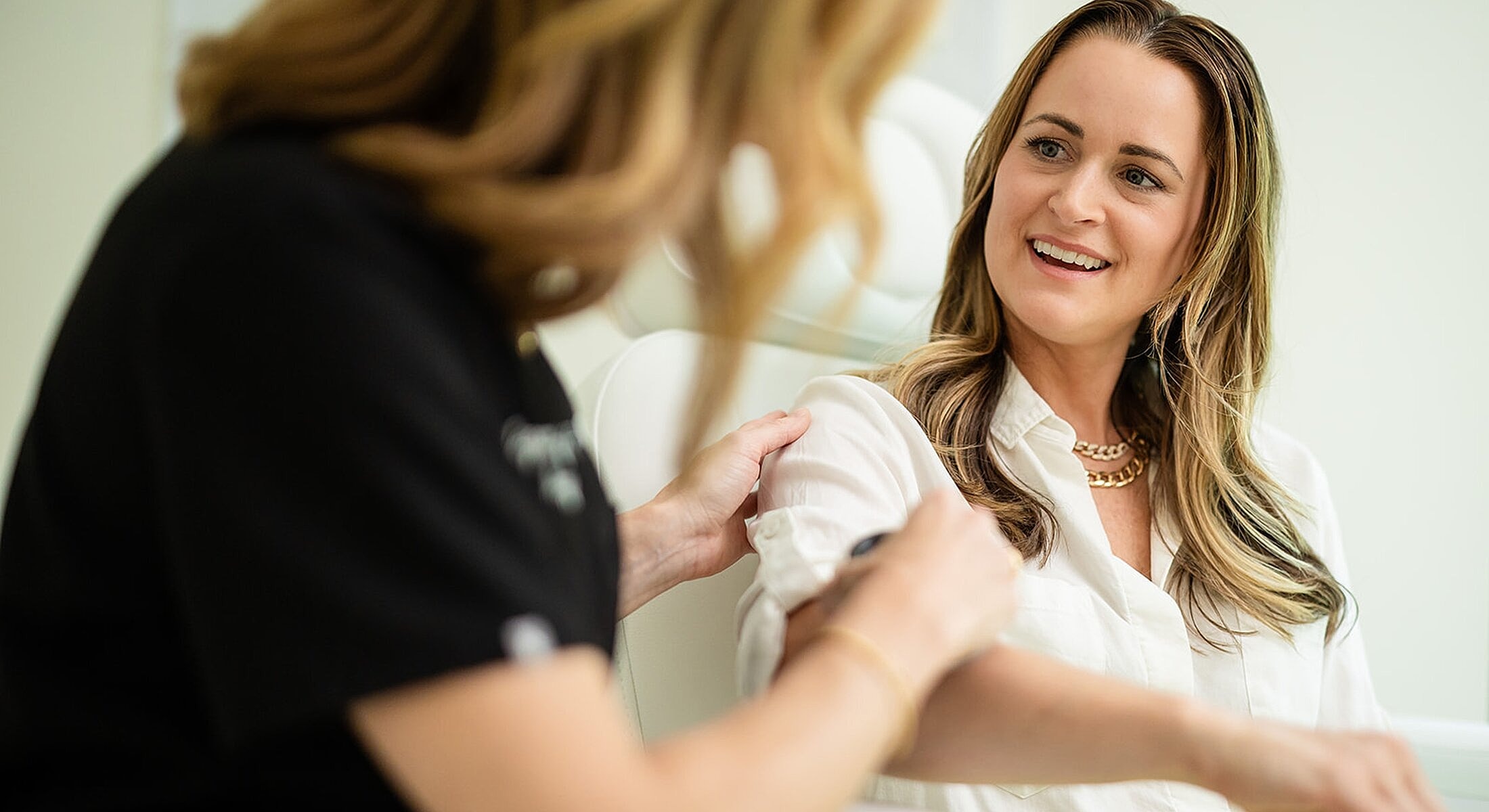
Skin cancer is the most common type of cancer in the U.S. There are many varieties of skin cancers, and they range in terms of how dangerous they are. No matter which type of skin cancer you are dealing with, the best way to maximize your likelihood of complete remission is to ensure prompt detection and early intervention.
At the Wisconsin Institute of Plastic Surgery, we take skin cancer seriously. We are always prepared to help our patients in Green Bay and Appleton monitor their signs and symptoms. When necessary, we can provide further treatment or refer the patient to a skilled oncologist.
Our dermatology team approaches medical exams with the same warmth and attention to detail as our aesthetic procedures. We provide a safe, private environment where you can feel comfortable discussing your concerns. We are here to help you navigate your skin health with clarity and confidence.

Often, the warning signs of skin cancer are visible to the naked eye. Sometimes, you may notice these signs yourself. In other cases, they may require a closer inspection from a trained clinical professional. A skin cancer screening is a thorough, visual evaluation of your skin, which may involve checking the size, shape, and texture of any lumps, moles, or discolored areas on your body.
During your screening, your provider will carefully inspect your body for any unusual growths or indicators that you are at high risk for skin cancer. A skin cancer screening is not used to diagnose cancer, but in some cases may result in your provider recommending a biopsy. This test, performed on a tissue sample from any unusual growths or areas of concern, can be used to confirm whether or not you have cancer.
A skin cancer screening is an important way for us to detect cancer early and intervene rapidly, which significantly increases the likelihood that treatment will prove successful.
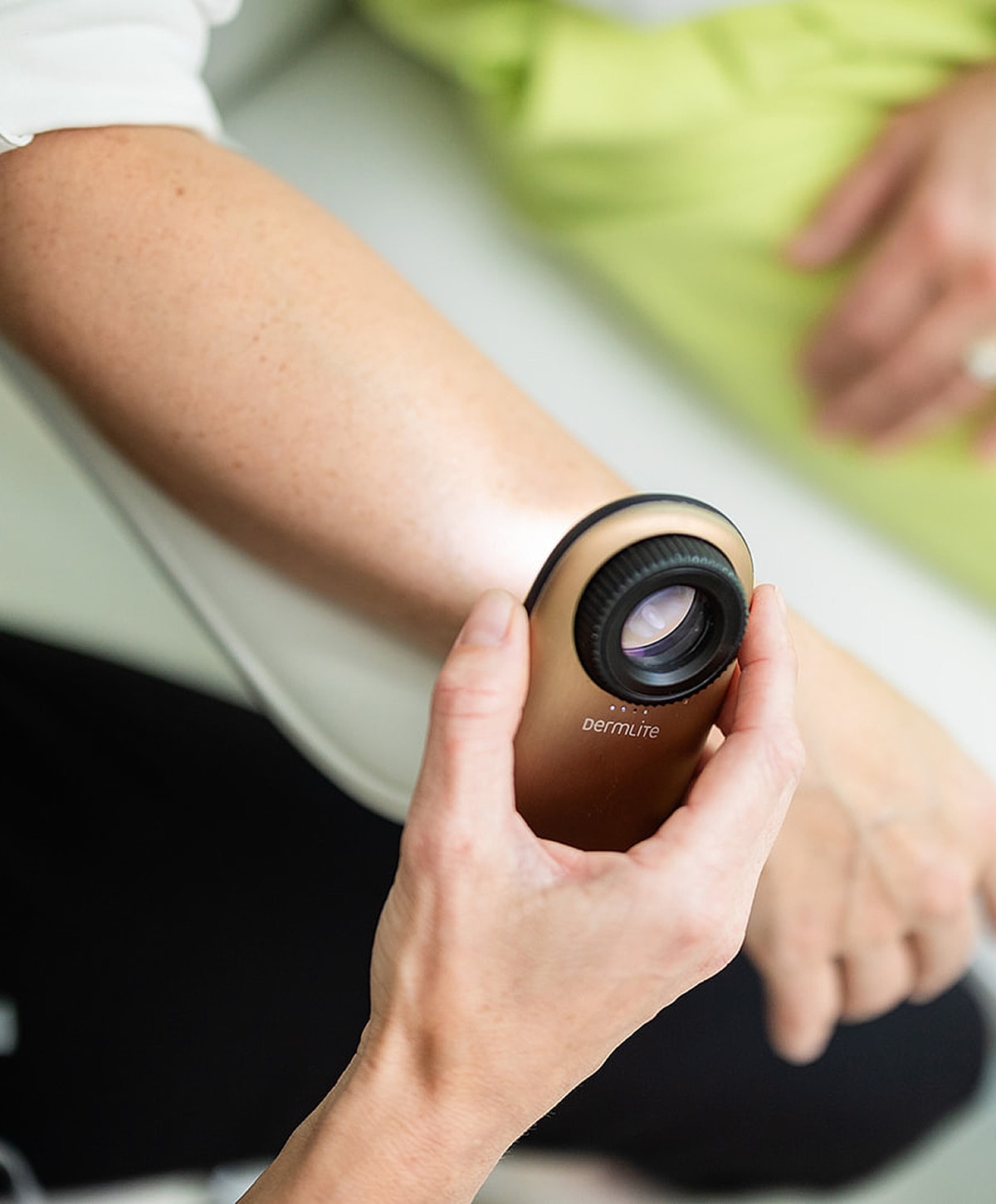
For patients who have never had a skin cancer screening, it is natural to have a few questions about the process. During a skin cancer screening, your provider must be able to check your entire body for any unusual signs or growths. We typically ask patients to undress, then put on a gown. One of our dermatology physician assistants will check your entire body, from your scalp to your toes, for anything unusual or concerning. A special magnifying glass may be used to evaluate certain markings, especially those harder to see with the naked eye. Your provider will let you know if everything looks normal or advise you when a biopsy is recommended.
If you have moles or other areas that look like they could be cancerous, your skincare specialist will order a biopsy. This will involve a small sample of skin tissue being extracted, then carefully examined. If it turns out that the tissue is cancerous, your provider will discuss the next steps of treatment. Assuming you do not have skin cancer, your provider will recommend a timeline for scheduling your next screening.
The screening looks for the three main types of skin cancer. Basal cell carcinoma and squamous cell carcinoma are the most common forms and are highly treatable if caught early. Melanoma is less common but more dangerous, making early identification critical.
We also look for dysplastic nevi, which are atypical moles that may resemble melanoma but are benign. Identifying and monitoring these moles helps us track changes over time. Additionally, we check for actinic keratoses. These are dry, scaly patches caused by sun damage that can turn into squamous cell carcinoma if left untreated.
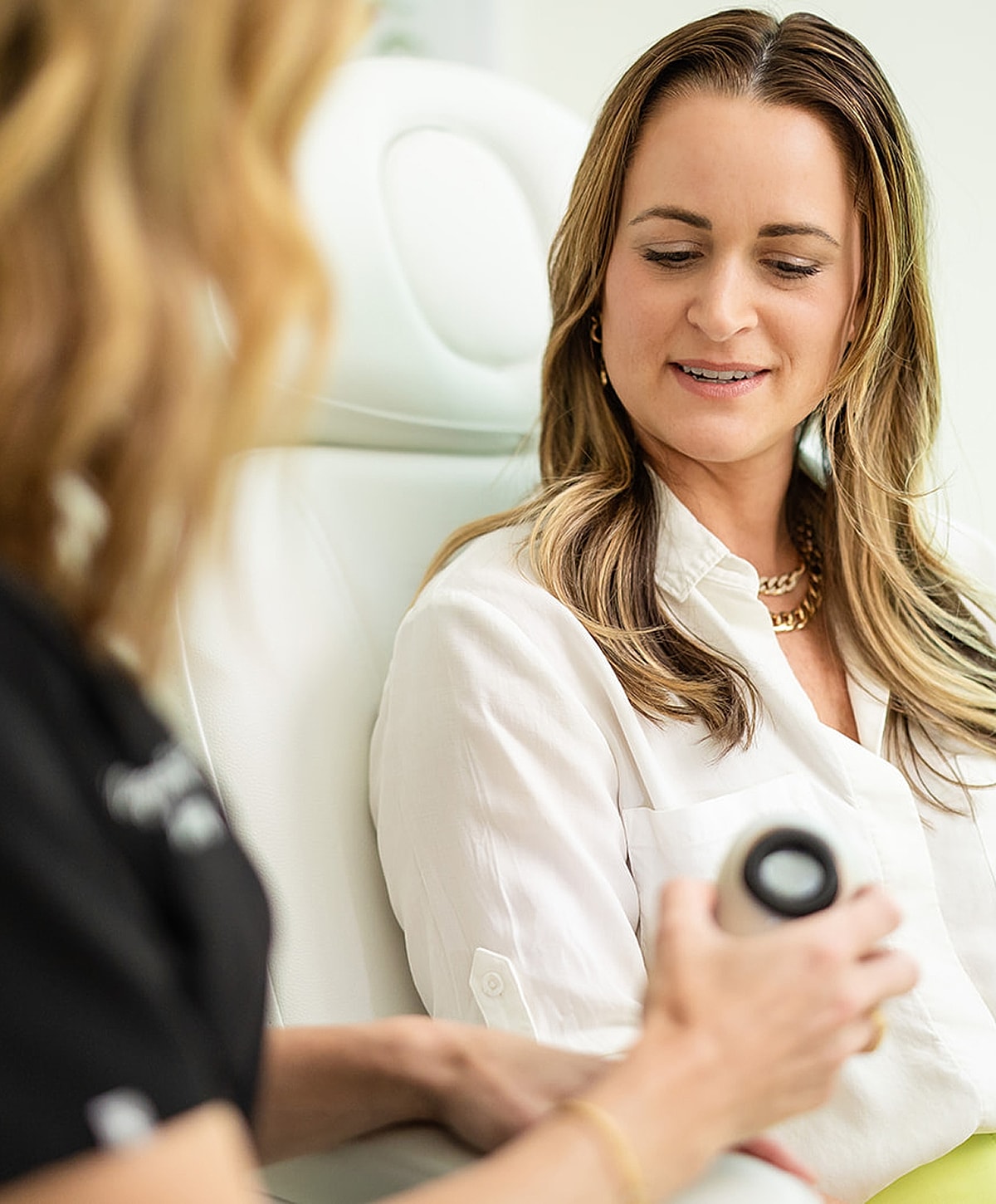

Skin cancer can develop anywhere on the body, not only in areas frequently exposed to the sun.
While we carefully check the face, neck, arms, and back, we also monitor areas that are usually covered by clothing. Melanoma can appear in unexpected places. Our providers are trained to look in these less obvious locations to ensure a complete assessment of your skin health.
The primary benefit is the potential for early intervention. Skin cancer has a very high cure rate when detected in its initial stages. A screening can identify issues long before they become visible or symptomatic to you.
Beyond the physical benefits, these exams provide significant peace of mind. Knowing that a professional has reviewed your skin allows you to enjoy your time outdoors with less anxiety. It is also an educational opportunity. Our team teaches you what to look for at home and how to protect your skin from future damage.
We generally recommend annual skin cancer screenings for patients who are in higher-risk categories for developing skin cancer. Some of the most common risk factors include:
At the Wisconsin Institute of Plastic Surgery, our dermatology physician assistants, Colleen Van Egeren, PA-C and Megan MacCarthy, PA-C, have 34 years of combined experience treating various skin conditions. As dermatology specialists, they would love to talk with you about your needs and recommend a skincare treatment program just for you.

Patients in Appleton and Green Bay choose Wisconsin Institute of Plastic Surgery because of the skill, experience, and personal attention that our team provides. Learn what other people in our community have to say about our doctors and their treatment.
There is no recovery period for the exam itself. You can return to work or your daily routine immediately. If a biopsy is performed, you will have a small bandage over the site. We will provide simple instructions on how to keep the area clean as it heals.
The recovery from a biopsy is minor. The site typically heals within a week or two. We advise you to protect the healing area from the sun to minimize scarring. We will contact you as soon as the pathology results are available to discuss the next steps.
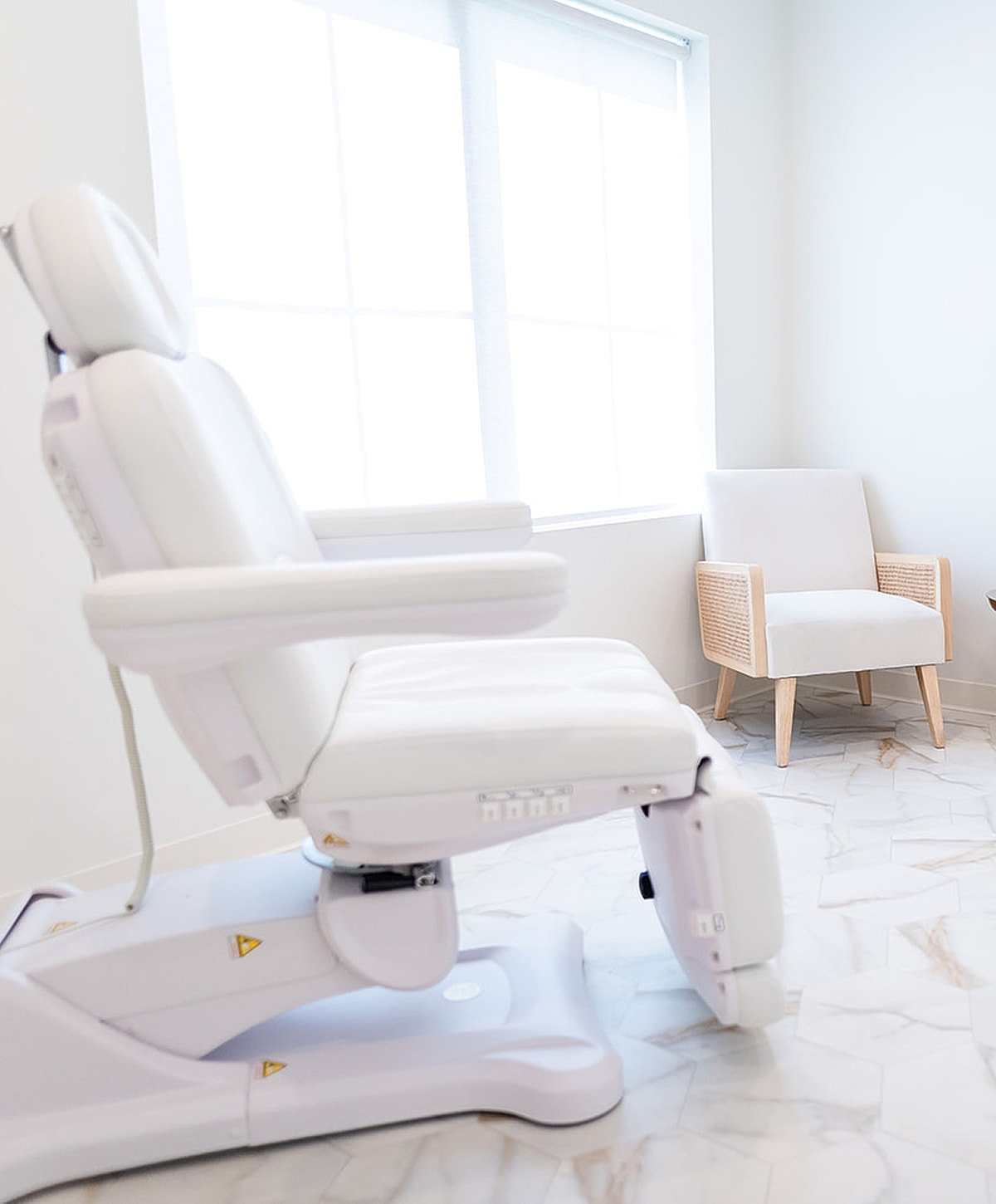
For most patients, the result of the screening is the reassurance that their skin looks healthy. If we find a suspicious lesion, the "result" comes from the pathology report. This report confirms whether a spot is benign, precancerous, or cancerous.
If a skin cancer is diagnosed, we will create a personalized treatment plan. Because we are a plastic surgery practice, we prioritize aesthetic outcomes even when treating medical conditions. If surgical removal is necessary, we use techniques designed to minimize scarring and preserve your appearance.
With over three decades of experience in dermatology, our providers have been providing high-quality care to patients in Green Bay and Appleton so they can maintain healthy, radiant skin. To schedule a skin cancer screening, contact our office at (920) 380-9890.
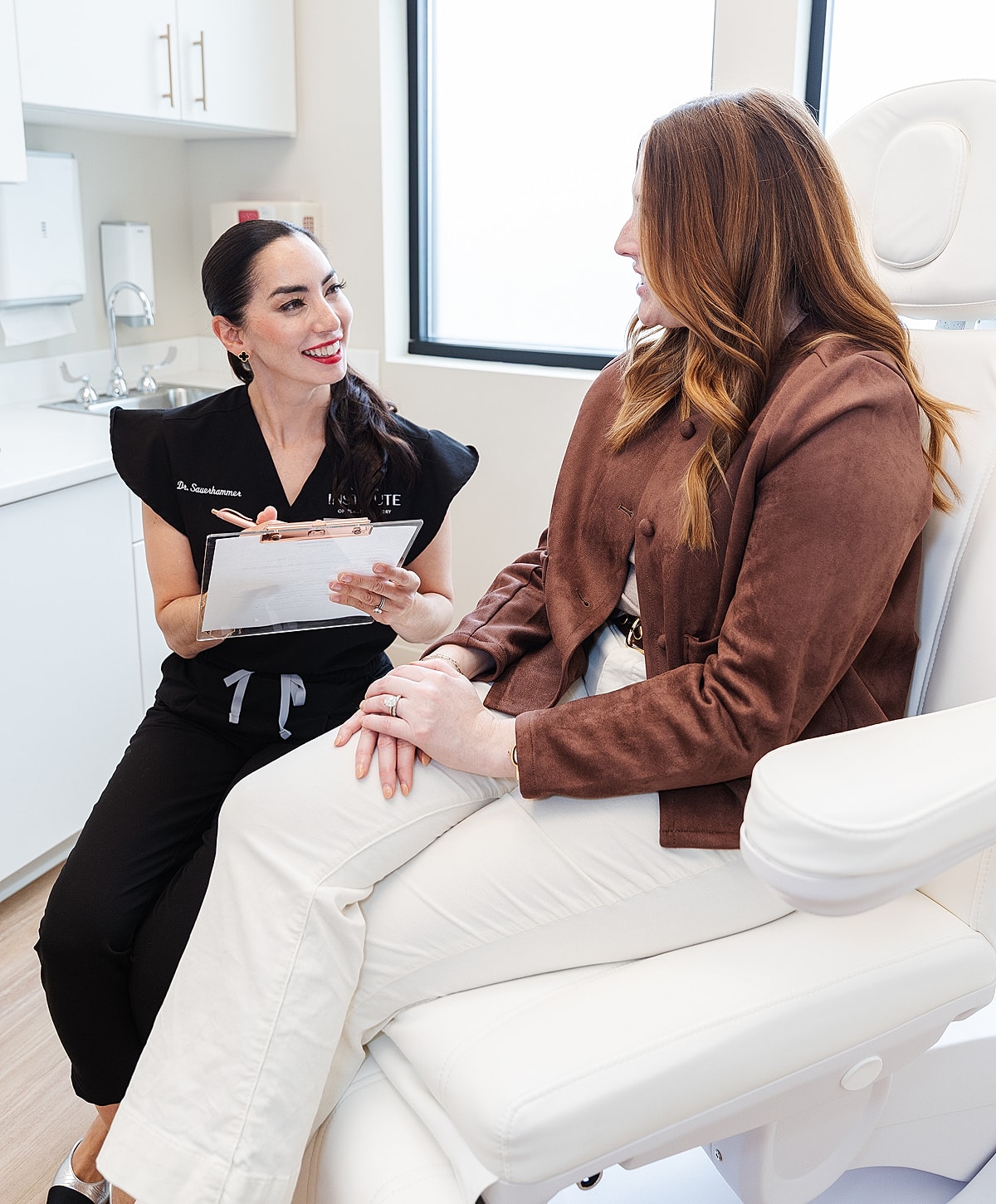
Most skin cancer screenings are very brief. You can expect your screening to last no more than 15 minutes or so.
There is not much you need to do to get ready for your skin cancer screening. We do advise patients not to wear any makeup or nail polish to their appointment. Additionally, wear your hair in a loose style that will make it easy for your provider to check your scalp.
Most dermatologists recommend a professional full-body screening once a year. If you have a history of skin cancer or high-risk factors, we may recommend more frequent visits, such as every six months.
If we identify an abnormal spot, we will likely perform a biopsy. This involves removing a small sample of the tissue to be examined under a microscope;it is the only way to definitively diagnose skin cancer.
We use a local anesthetic to numb the skin before performing a biopsy. You may feel a small pinch from the injection, but the procedure itself is painless. We ensure you are comfortable throughout the process.
We ask that you remove all makeup and nail polish before your exam. Makeup can hide small lesions on the face, and skin cancer can sometimes develop in the nail bed. Clean skin ensures the most accurate examination.
A screening is a visual check of your current skin condition. Mole mapping typically involves high-resolution photography to track the placement and size of moles over time. We can discuss which approach is best for your specific surveillance needs.
Yes. We encourage patients to check their own skin once a month. Look for new growths or changes in existing moles. If you notice anything changing, itching, or bleeding, contact us to schedule an appointment immediately.
Most health insurance plans cover annual skin cancer screenings as a preventative service. However, coverage can vary. We recommend checking with your specific provider to understand your benefits and any potential co-pays.
No. While the risk increases with age, melanoma is one of the most common cancers in young adults. We recommend starting regular screenings in early adulthood, or sooner if you have significant risk factors.
At the Wisconsin Institute of Plastic Surgery, you can enjoy a range of cosmetic procedures and dedicated care in our offices in Appleton and Green Bay. As a double-board certified plastic surgeon, Dr. Sauerhammer specializes in rejuvenating surgical solutions, including breast augmentation, tummy tuck, and facelifts, designed to help you look and feel your best. We seamlessly integrate all our plastic surgery services with skilled dermatology care and aesthetic specialists: Megan MacCarthy, PA-C, Colleen Van Egeren, PA-C, and Amanda Olsen, PA-C. They prioritize your goals through comprehensive evaluations and advanced techniques to help you achieve optimal and long-lasting results.