Laser Skin Resurfacing
Green Bay and Appleton, WI

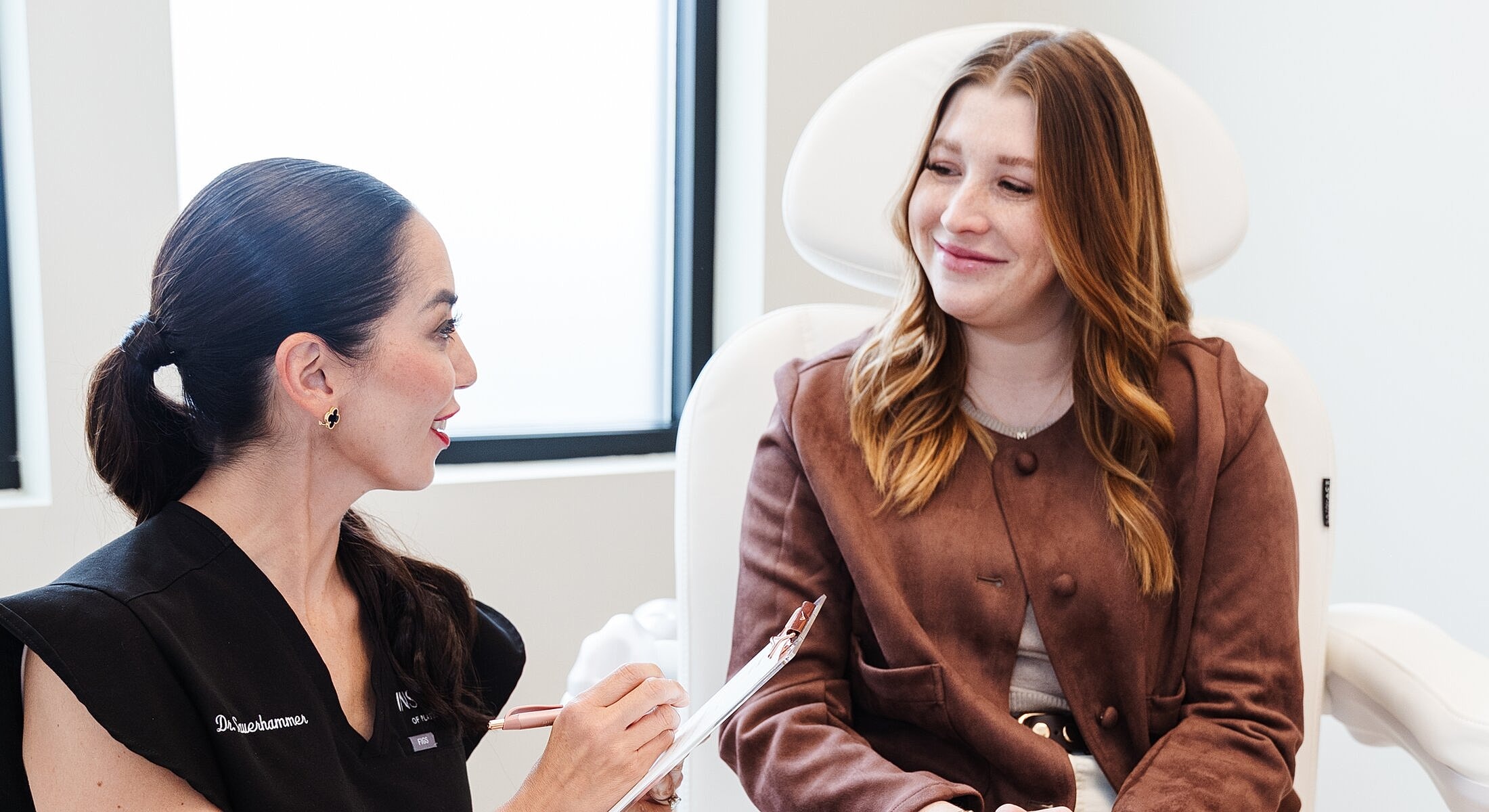
If your skin isn’t as smooth or as refreshed as you'd like, the right treatment can make a difference. The laser skin resurfacing Green Bay patients choose at our practice uses focused energy to renew damaged skin and help your skin look healthier over time. At the Wisconsin Institute of Plastic Surgery, your provider will check your skin, listen to your goals, and suggest an option that feels right for you. We serve the Green Bay and Appleton areas from two offices in Northeast Wisconsin.
Treatment | Technology | Best Suited For | Typical Downtime |
|---|---|---|---|
| Harmony XL Pro | Laser and light platform | Uneven skin tone, sun damage, texture irregularities, and selected acne scars | Varies by application |
| IPL Photofacial | Intense pulsed light | Brown spots, redness, and visible vessels | Minimal downtime |
| Morpheus8 | Radiofrequency microneedling | Skin texture, acne scars, fine lines, and mild skin laxity | Usually one to three days |
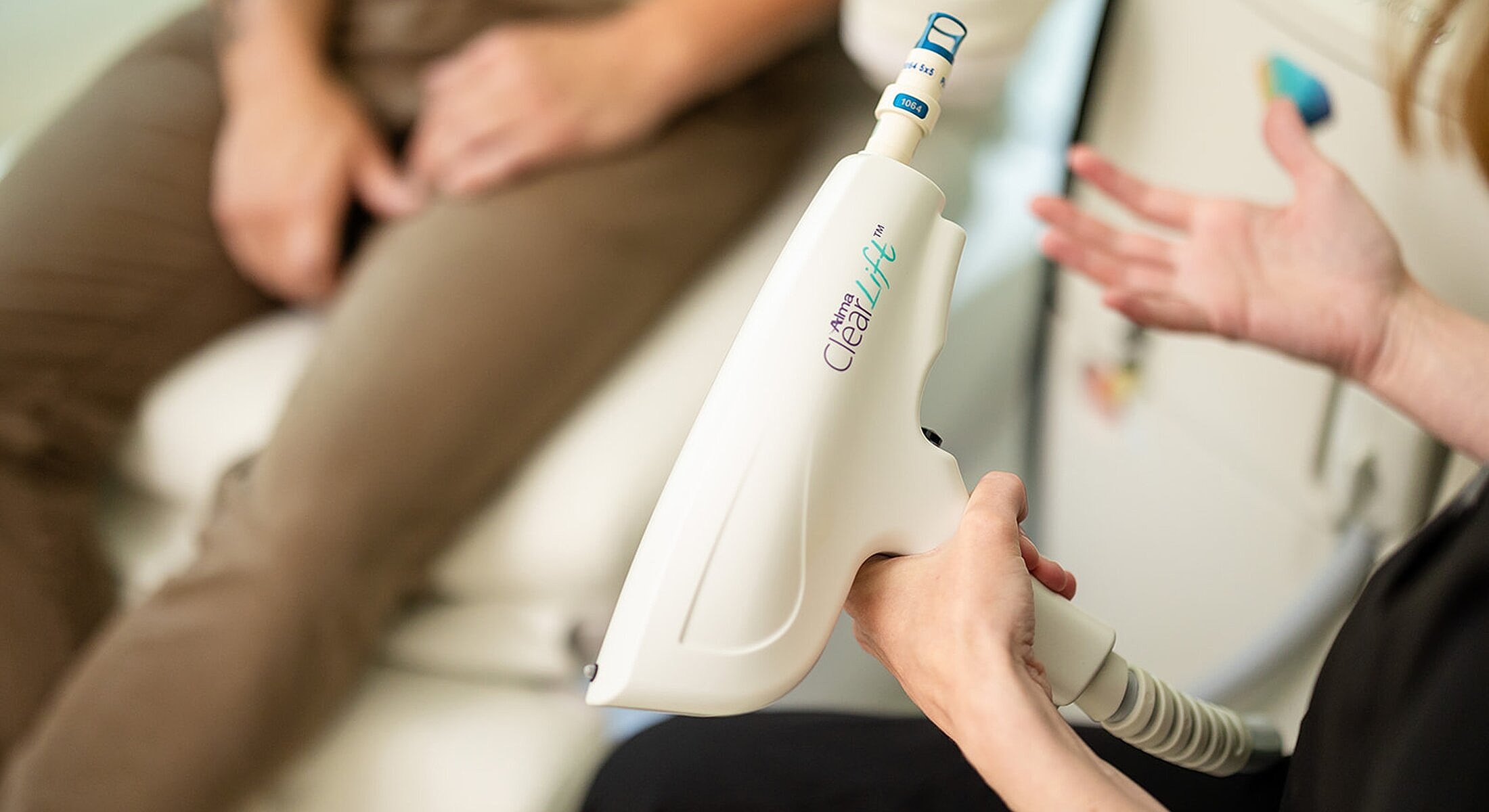
Laser skin resurfacing uses focused light to trigger a response in your skin. Some lasers remove damaged skin from the surface, while others heat deeper layers without affecting the top layer. As your skin heals, new collagen forms, making your skin smoother and firmer. The best treatment isn’t always the strongest one. Your skin type, medical history, goals, and how much downtime you have will help decide what’s right for you.
Laser treatments can improve your skin’s texture and tone, and help soften fine lines, certain acne scars, and sun damage. They make uneven skin look smoother by encouraging new collagen and repairing damaged areas.
Different skin concerns need different treatments. Intense pulsed light can help with certain types of discoloration, while treatments that boost collagen may be more effective for scars or mild skin laxity. Laser skin resurfacing can’t fix significant sagging like cosmetic surgery can.
Pigmentation problems need a careful diagnosis because sun damage, melasma, and other conditions can respond differently to treatment. Your provider will check the area before recommending care, especially if you have darker skin or a history of pigment changes.
Harmony XL Pro is a flexible laser and light system that treats uneven skin tone, sun damage, texture issues, and some acne scars. The strength and recovery time depend on how it’s used, so your provider can adjust the treatment to fit your skin and goals.
Learn more about Harmony XL Pro skin rejuvenation.
IPL Photofacial uses intense pulsed light instead of a laser. This light targets certain brown and red pigments in your skin. Brown spots may get darker before they flake off as your skin heals, and most people have very little downtime.
Learn more about IPL Photofacial.
Morpheus8 uses microneedles to send radiofrequency energy into deeper layers of your skin, which helps boost collagen. This can improve texture, certain acne scars, fine lines, and mild skin looseness, with results developing over three to six months.
Learn more about Morpheus8.
You don’t have to pick a treatment before your visit. Your provider might suggest IPL Photofacial or Harmony XL Pro for discoloration, and Morpheus8 or Harmony XL Pro for texture or collagen loss. Some people benefit from a series of treatments.


You might be a good candidate if you’re healthy, have realistic expectations, and have a skin concern that can be treated. Be sure to tell your provider about any past procedures, medications, sun exposure, scarring, or cold sores. If you have an infection, rash, wound, or breakout, treatment may need to wait.
Many resurfacing treatments are safe for people with darker skin, but the settings need to be chosen carefully. Melanin can absorb laser light, which may raise the risk of skin tone changes. A careful evaluation helps prevent unwanted effects or injury.
Your provider will clean the treatment area and choose the right settings for your skin type. You’ll wear protective eyewear during laser and light treatments. For deeper treatments, like Morpheus8, a numbing cream may be used. More intense laser resurfacing might need local anesthesia.
What you feel during treatment depends on the technology used. You might notice warmth, a quick snap, pressure, or a brief prickling feeling. Afterward, your skin may look pink or feel warm and sensitive. You’ll get instructions on how to clean, moisturize, protect your skin from the sun, and when to return to your usual skincare routine.
Recovery time can range from about 24 hours after a mild session to several weeks after a deep treatment. IPL usually doesn’t interrupt your routine much, while Morpheus8 often causes redness or mild swelling for one to three days. Recovery from Harmony XL Pro depends on how it’s used and can range from a little redness to a few days of flaking or peeling.
Traditional CO2 laser resurfacing may need up to two weeks of recovery, while erbium and fractional laser treatments usually take about one week. Fractionated CO2 keeps the surrounding skin intact to help with healing. Your provider will go over what to expect for your specific procedure.
Results develop as your skin renews itself. Pigment treated with IPL may fade in one to two weeks, while collagen keeps building for several months. Using daily broad-spectrum sunscreen helps protect the treated area and maintain your results.
Redness, swelling, warmth, tenderness, dryness, and peeling are common and usually temporary. Deeper treatments can sometimes cause crusting or scabs. Less common risks include burns, infection, scarring, cold-sore outbreaks, or lasting changes in skin color. Sun exposure before or after treatment can raise the risk of pigment changes, so it’s important to follow your provider’s instructions.
For Green Bay laser skin resurfacing patients, the cost depends on the type of technology, the area being treated, how strong the treatment is, and how many sessions you need. Your provider will go over the plan and total cost before you start. You can also check available pricing. Cosmetic skin resurfacing is usually not covered by insurance.
At Wisconsin Institute of Plastic Surgery, plastic surgery, dermatology, and medical aesthetics come together within one practice. Led by a double board-certified plastic surgeon, Dr. Tina Sauerhammer, MD, FACS, the team’s extensive and broad expertise helps your provider look beyond a device and consider your skin and health as a whole. You’ll receive guidance about treatment, healing, and realistic results, including when another form of care may suit you better.
You don’t need to pick a treatment before your consultation; just bring your questions. Our Green Bay-area office is on Dickinson Road in De Pere, and our Appleton office is on North Lightning Drive near I-41 and Richmond Street. Contact Wisconsin Institute of Plastic Surgery to talk about laser skin resurfacing at the location that’s best for you.
Laser resurfacing uses focused light or energy on your skin. It can remove damaged surface tissue or heat deeper layers to help your skin make more collagen. As new skin and collagen form, the treated area can look smoother and more even.
No. Intense pulsed light uses a broad range of light instead of a single laser wavelength. It’s often grouped with laser treatments because it can help with certain pigmentation and redness.
No. Morpheus8 combines microneedling with radiofrequency energy. It’s included here because it can help with issues like skin texture, scars, and mild looseness.
Results from laser treatment can last a long time, but the treatment won’t stop aging or prevent new sun damage. Keeping up with skincare, sun protection, and maintenance treatments can help you keep your results.