Acne Treatment
in Green Bay and Appleton, WI

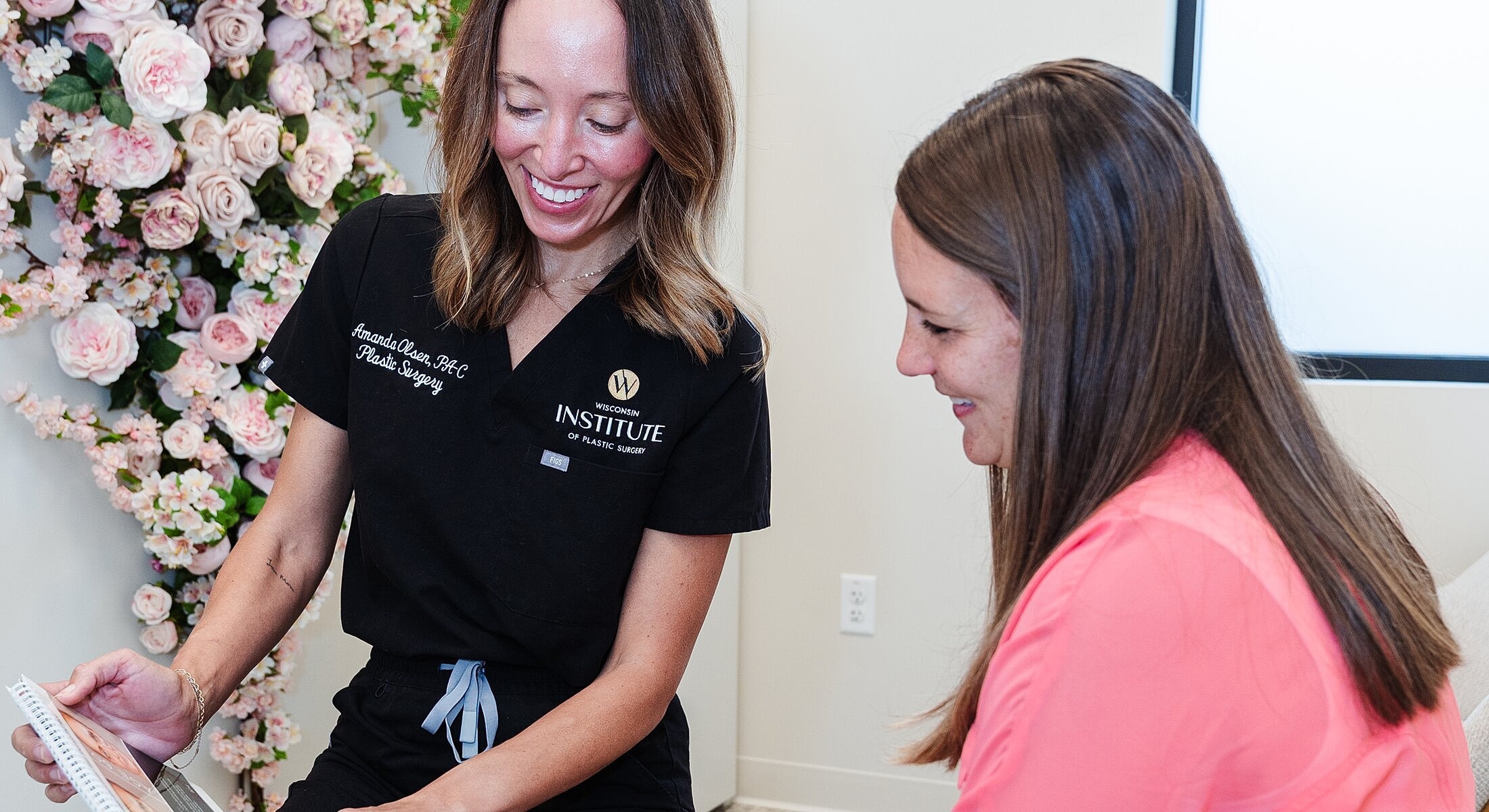
Acne is an incredibly common skin condition, impacting between 40 million and 50 million individuals in the United States alone. Just because the condition is common, that does not make it easy to bear. In fact, acne can often lead to feelings of awkwardness or self-consciousness.
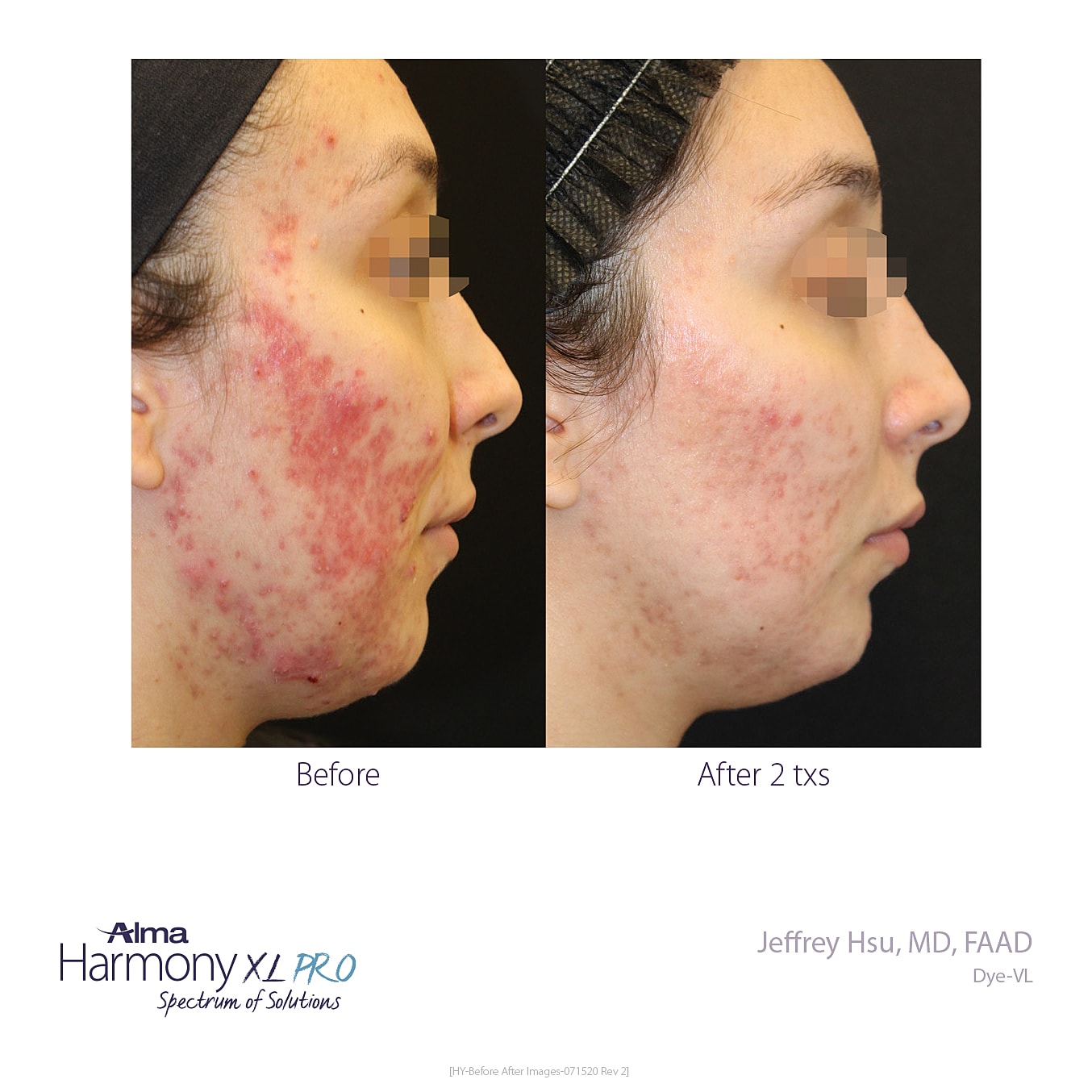
At the Wisconsin Institute of Plastic Surgery, we treat acne as a complex medical condition that requires a personalized, advanced acne treatment plan. Our goal is not just to clear current breakouts but to establish long-term acne control and prevent future scarring. With the right clinical approach, acne symptoms can be treated, and outbreaks kept under control. We are happy to provide individualized acne treatment for patients throughout Green Bay and Appleton.

1 of 1
Acne occurs when the hair follicles below the skin become clogged. This clogging usually results from oil or dead skin cells, which plug pores and lead to the formation of lesions (commonly known as pimples or zits). Acne outbreaks are most common on the face but can also occur on the back, shoulders, and chest.
With the proper clinical treatment, you can control your acne breakouts and minimize the risk of significant scarring.
Various factors can trigger acne or worsen active acne outbreaks. Some of the most common acne triggers include:
Acne can often be traced to excess oil (sebum) production, which clogs pores. Dead skin cells can also contribute to blocking pores and follicles. Bacteria and inflammation can further contribute to acne breakouts.
Acne can result in several different types of lesions, marring your otherwise clear complexion. Some of the most common types of acne spots include:

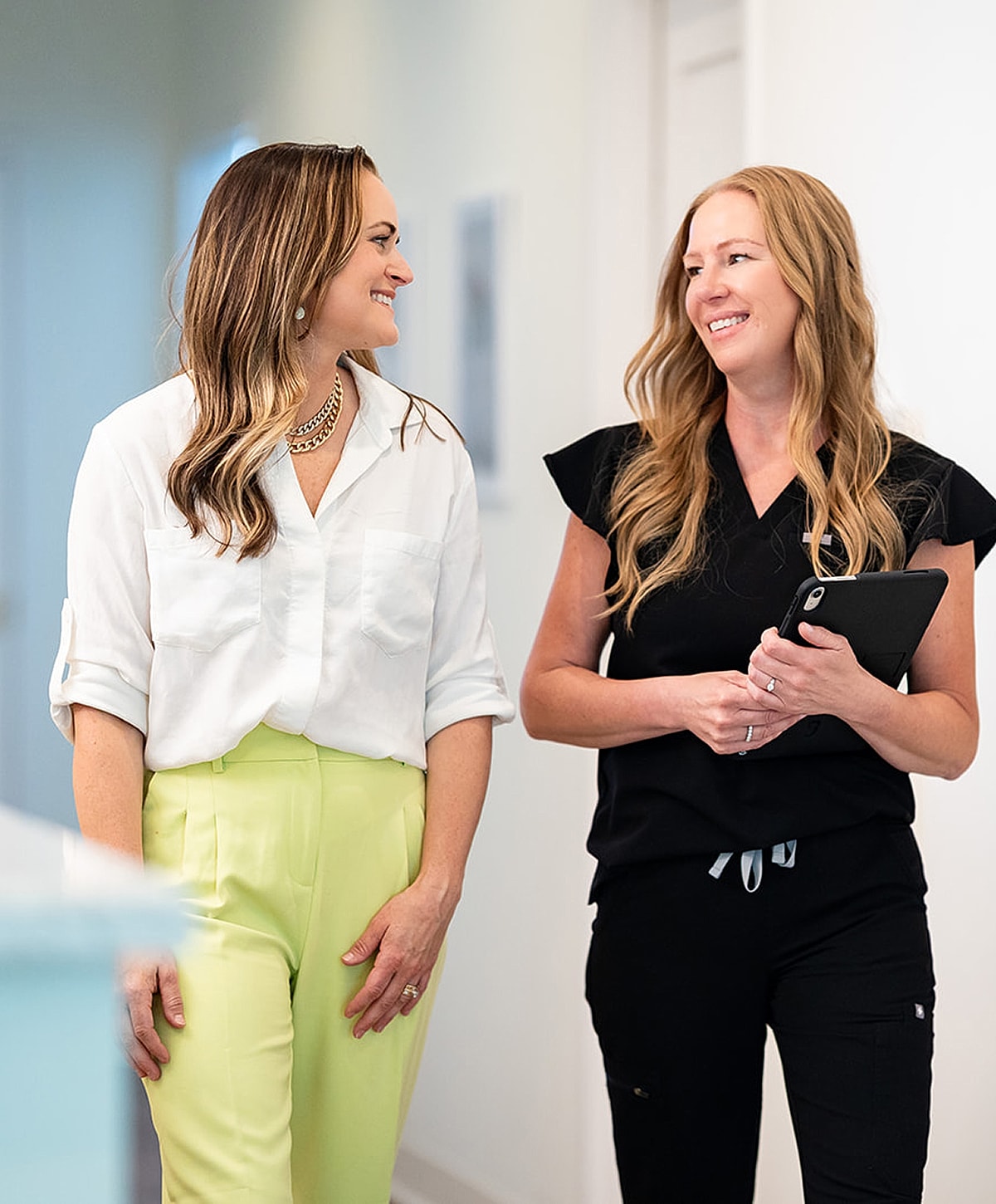
At the Wisconsin Institute of Plastic Surgery, our dermatology physician assistants, Colleen Van Egeren, PA-C, and Megan MacCarthy, PA-C, have 34 years of combined experience treating various skin conditions. As dermatology specialists, they can recommend a skincare treatment program tailored to your needs.

There are several types of acne treatments, and your dermatologist will recommend an approach based on the kind of acne spots and the severity of your acne outbreaks. A few of the most common treatments include:
Topical medications
A dermatologist can provide prescription retinoids or antibiotics to help get your acne under control. Note that these medications are more potent and effective than anything you can buy over the counter, and they are better tailored to your needs.
Oral medications
Your dermatologist can also suggest oral antibiotics to help you manage your acne symptoms more easily.
Additional therapies
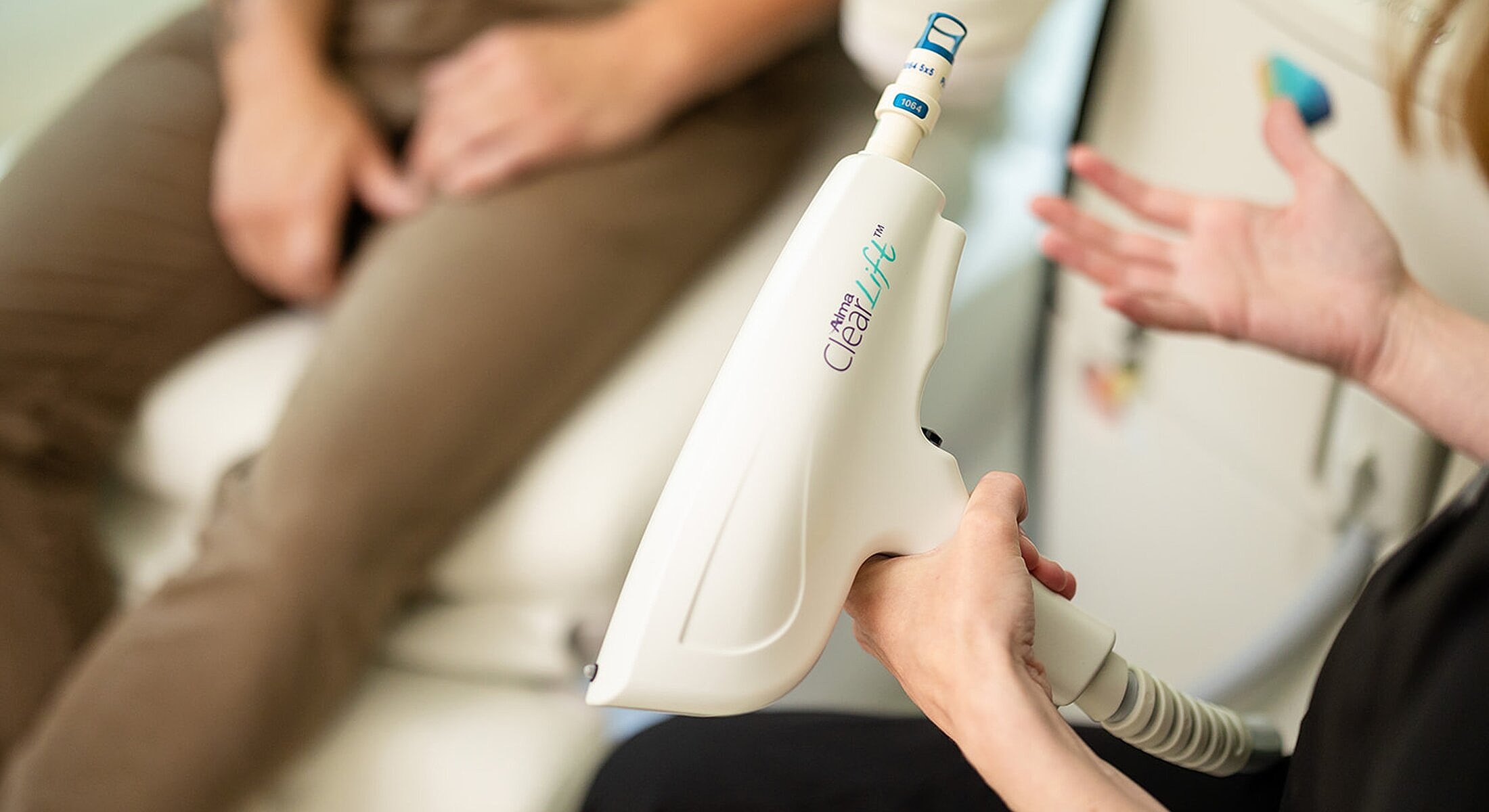
Some patients also benefit from light therapy, chemical peels, or even steroid injections.

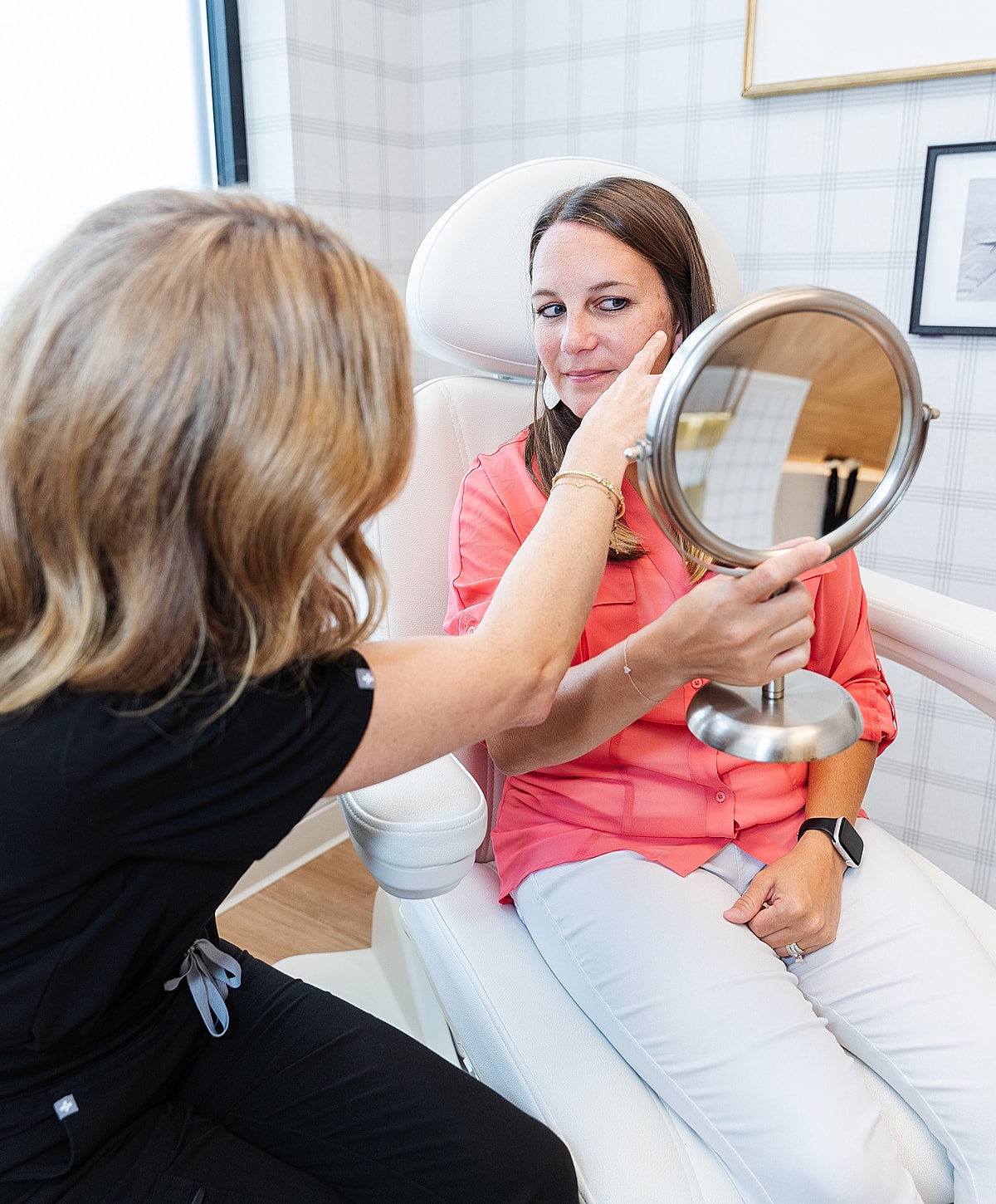
Acne can usually be diagnosed with a simple visual examination. When you join us at the Wisconsin Institute of Plastic Surgery for an acne assessment, your dermatologist will ask to see all of the areas of your body where you have experienced breakouts, including your face and potentially your back and chest, as well.
In addition to visually confirming the presence of acne, your dermatologist will assess the types of acne spots you have and the severity of your breakouts, both of which can help determine the best course of treatment.

If you have tried over-the-counter remedies without success, are experiencing deep or painful breakouts, or are concerned about acne scarring, professional acne treatment is right for you. Our Providers treat acne in patients of all ages and can create a safe, effective treatment plan tailored to your specific medical history and skin type.
While there is no substitute for clinical care, many lifestyle changes and home remedies can help you prevent acne breakouts or minimize the severity of current breakouts. Some of our tips include:

Patients in Appleton and Green Bay choose Wisconsin Institute of Plastic Surgery because of the skill, experience, and personal attention that our team provides. Learn what other people in our community have to say about our doctors and their treatment.
Since acne treatment is a marathon, not a sprint, maintenance is key to long-term acne control.
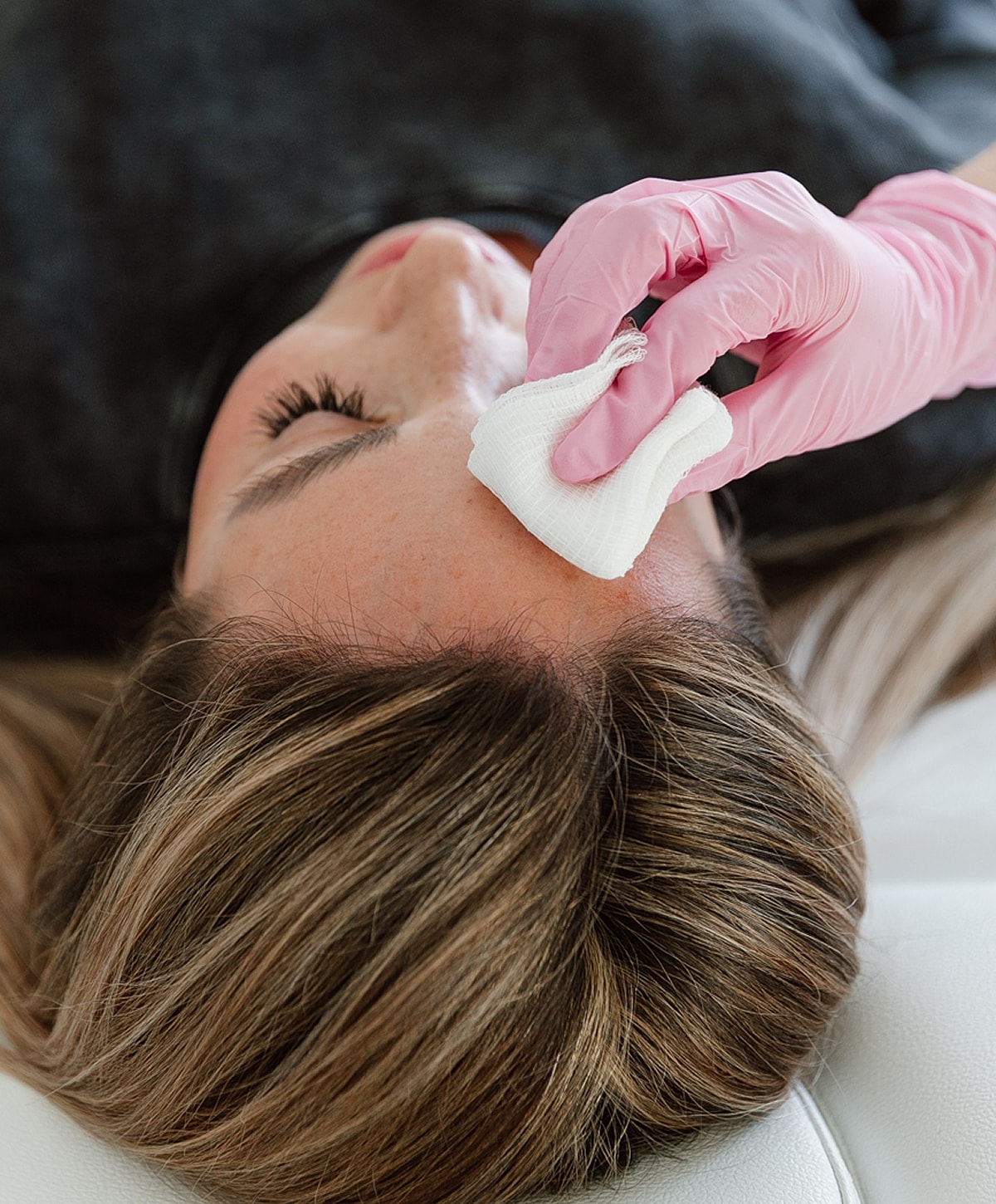

Initial improvements from topical medications may be noticeable within 4-6 weeks, but significant acne control typically requires 3 to 4 months of consistent therapy. Results from treatments like Blu-U Blue Light Therapy are usually seen after a series of sessions. With dedicated maintenance and follow-up, acne control can last indefinitely, allowing you to enjoy long-term skin clarity.
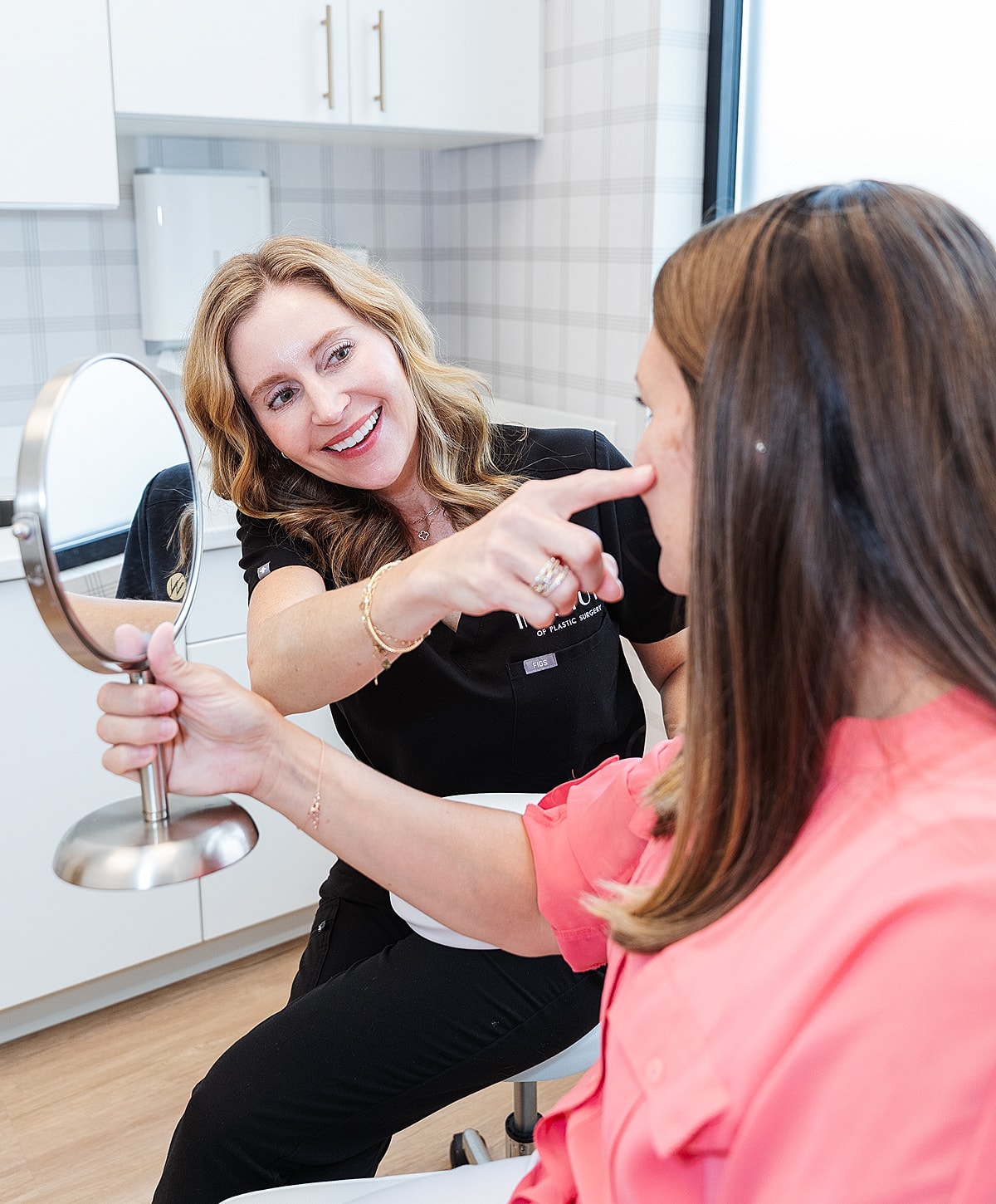
Our Dermatology division offers a seamless blend of medical rigor and aesthetic insight, led by highly skilled Providers. We go beyond superficial treatments, offering advanced options like Blu-U Blue Light Therapy and personalized oral medications based on a thorough medical history. We are committed to achieving lasting acne control and preventing acne scarring in a supportive, elevated environment.
Acne can take a toll on your self-confidence, but the right treatments can help manage breakouts. To learn more, schedule a consultation with our team in Green Bay and Appleton by calling (920) 380-9890.
While the link is complex, certain high-glycemic-index foods and dairy products can trigger acne in some individuals. Your Provider will review your medical history and discuss diet, but treatment always focuses on medically controlling the underlying sebaceous glands and inflammation.
Topical medications (such as retinoids or antibiotics) are applied directly to the skin to unclog pores and reduce bacteria on the skin's surface. Oral medications (like certain antibiotics or hormonal treatments) work internally to reduce inflammation and overall acne control, usually reserved for moderate to severe acne.
Yes, Blu-U Blue Light Therapy is a safe, non-invasive procedure that uses light energy to destroy P. acnes bacteria without damaging surrounding skin cells. It involves no downtime and is suitable for most skin types, making it an excellent component of a comprehensive treatment plan.
Isotretinoin, a powerful oral medication, is typically reserved for severe acne (nodular or cystic acne) that has failed to respond to other treatments, or for acne that is highly likely to cause scarring. Your Provider will discuss its risks and benefits extensively and require regular blood tests during therapy.
At the Wisconsin Institute of Plastic Surgery, you can enjoy a range of cosmetic procedures and dedicated care in our offices in Appleton and Green Bay. As a double-board certified plastic surgeon, Dr. Sauerhammer specializes in rejuvenating surgical solutions, including breast augmentation, tummy tuck, and facelifts, designed to help you look and feel your best. We seamlessly integrate all our plastic surgery services with skilled dermatology care and aesthetic specialists: Megan MacCarthy, PA-C, Colleen Van Egeren, PA-C, and Amanda Olsen, PA-C. They prioritize your goals through comprehensive evaluations and advanced techniques to help you achieve optimal and long-lasting results.