IPL Photofacial
in Green Bay and Appleton, WI

Over time, the sun takes a toll on our skin, sometimes contributing to uneven complexion, sunspots, and other unwanted changes to color and texture. IPL photofacials provide a non-surgical solution to address red, brown, or splotchy skin and regain a clear, radiant look.
At the Wisconsin Institute of Plastic Surgery, we are pleased to offer IPL photofacials to our patients in the Appleton and Green Bay communities. This treatment provides a refined method to lift pigment and reduce redness, restoring harmony to your skin's surface.
1 of 2
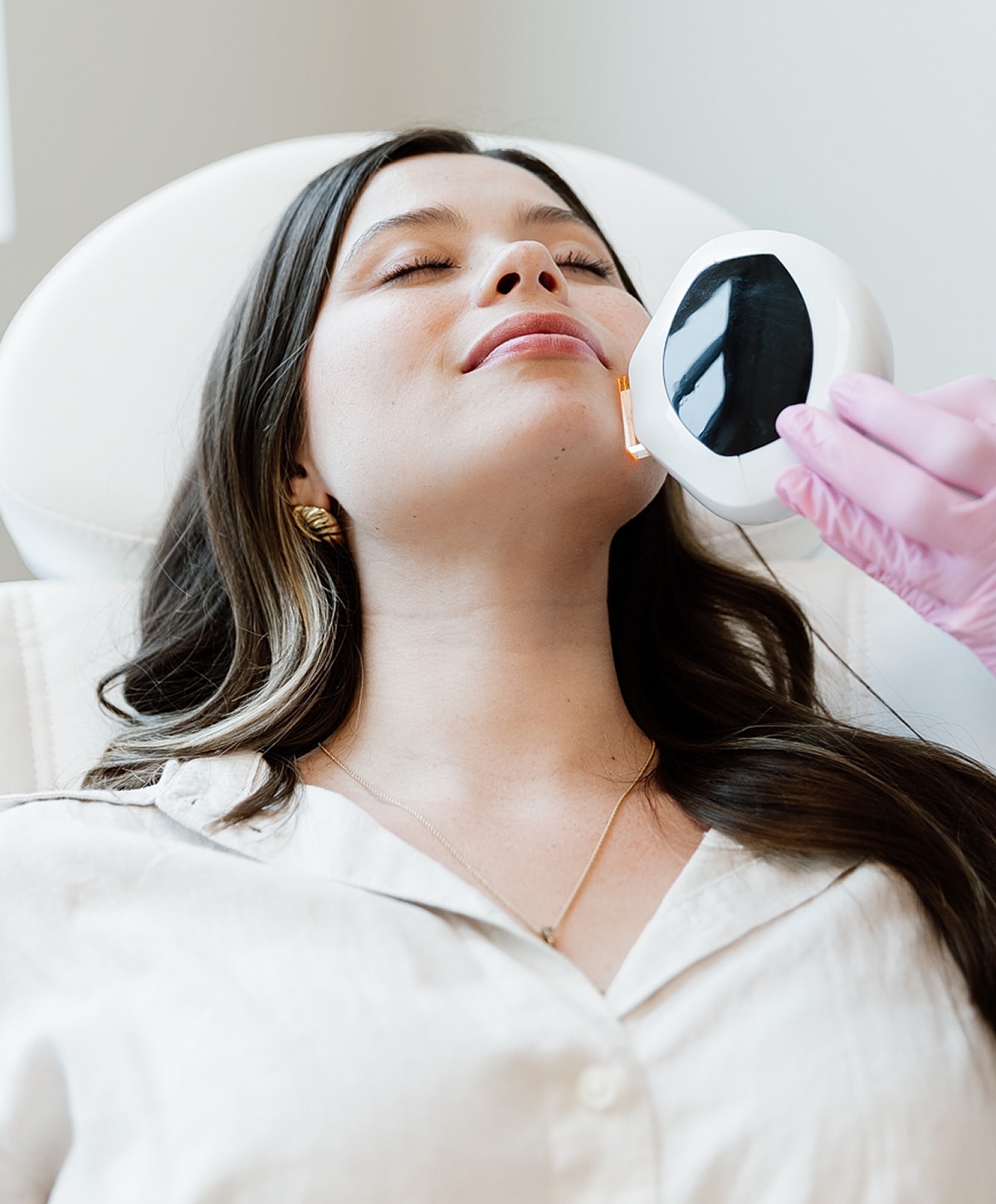
This treatment relies on intense pulsed light (IPL) technology, a non-surgical method to correct issues with skin color or texture. Photofacials are most commonly used to remedy some of the damage resulting from prolonged sun exposure (known as photoaging), though they can also help correct issues caused by other health conditions.
While the term photofacial clearly denotes application to the face, photoaging can also affect the hands and upper chest. IPL therapy can be used on these areas, as well.
Targeted pulses of light will then cause the skin to heat up, prompting the skin to shed the unwanted skin cells. IPL photofacials differ from conventional laser treatments because they use a full spectrum of light. This enables IPL to treat a much broader range of conditions.
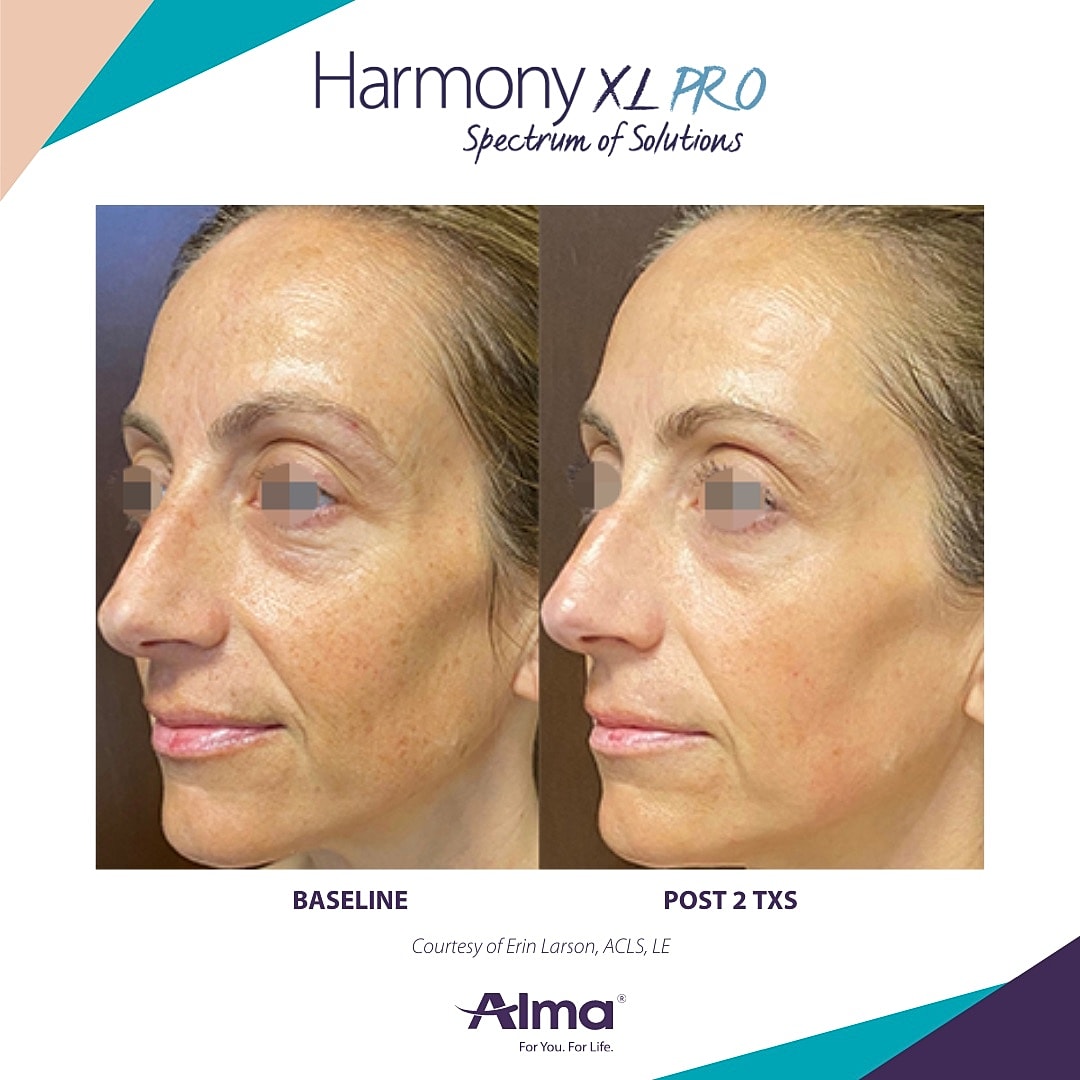
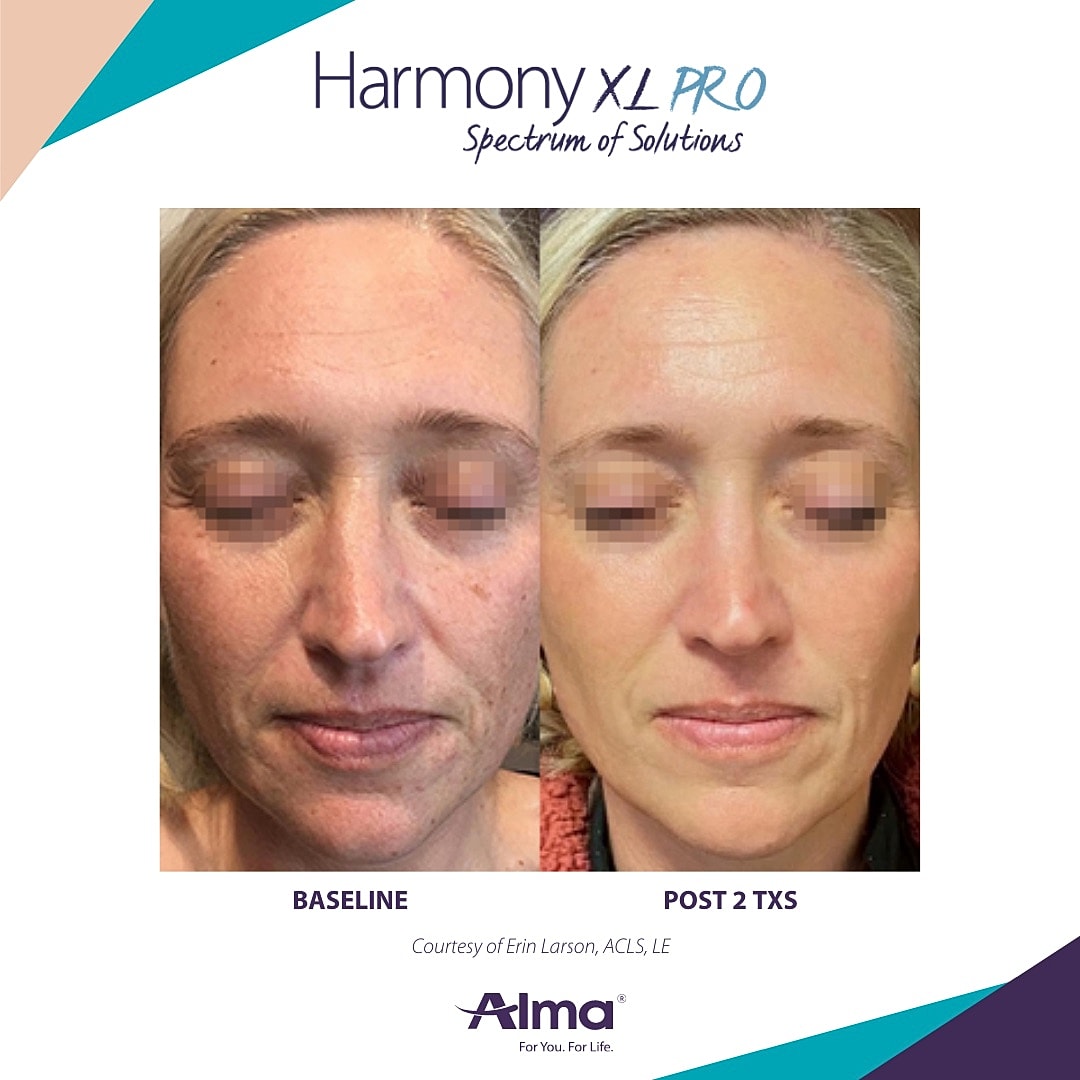
The light from an IPL photofacial will not damage the surrounding skin, making the procedure safe with a brief recovery time. Patients who get IPL photofacials tend to look younger and enjoy a more even skin tone. There is really no recovery time, but you can expect some redness or mild bruising following your treatment. These effects usually subside within a week.
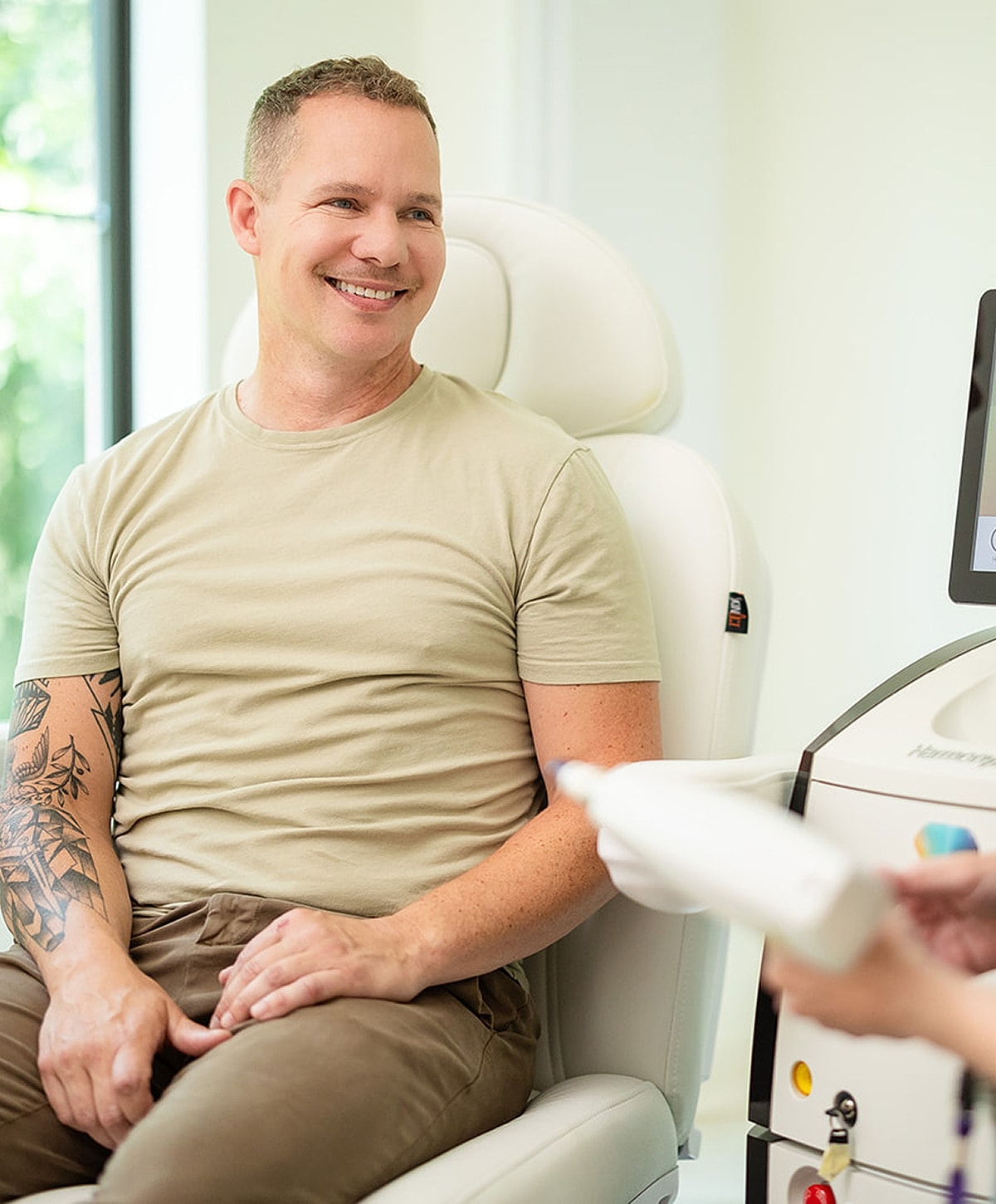
We believe that true beauty comes from within, and we’re here to help you reveal the most vibrant version of yourself.

IPL photofacials can treat a wide range of skin problems, including different issues that affect the color, evenness, or texture of your skin. Some of the conditions that can be treated with IPL photofacials include:
IPL Photofacial is most frequently used to treat the face. However, it is also highly effective at improving the appearance of sun-damaged skin on the neck, the delicate skin of the chest (décolletage), and the hands.

The primary benefit is a visibly clearer and more uniform skin tone. By fading sun spots and reducing redness, IPL Photofacial gives the skin a refreshed, naturally younger appearance. The process is non-ablative, meaning it requires minimal downtime, allowing you to quickly return to your daily activities. Furthermore, the heat generated during treatment provides a mild tightening effect by promoting a gradual and ongoing increase in natural collagen.
It is important to schedule a consultation with one of our providers to ensure your candidacy for safe, successful treatment. IPL photofacials work best for patients with pale or light brown skin.
We typically do not recommend this treatment for pregnant women or for patients with active skin conditions, such as acne outbreaks. Additionally, avoid IPL photofacials if you:
IPL photofacials usually do not work as well for patients with darker skin. If you want to know more about IPL and how treatment will affect your skin tone, schedule a consultation with one of our specialists at the Wisconsin Institute of Plastic Surgery.

Patients in Appleton and Green Bay choose Wisconsin Institute of Plastic Surgery because of the skill, experience, and personal attention that our team provides. Learn what other people in our community have to say about our doctors and their treatment.
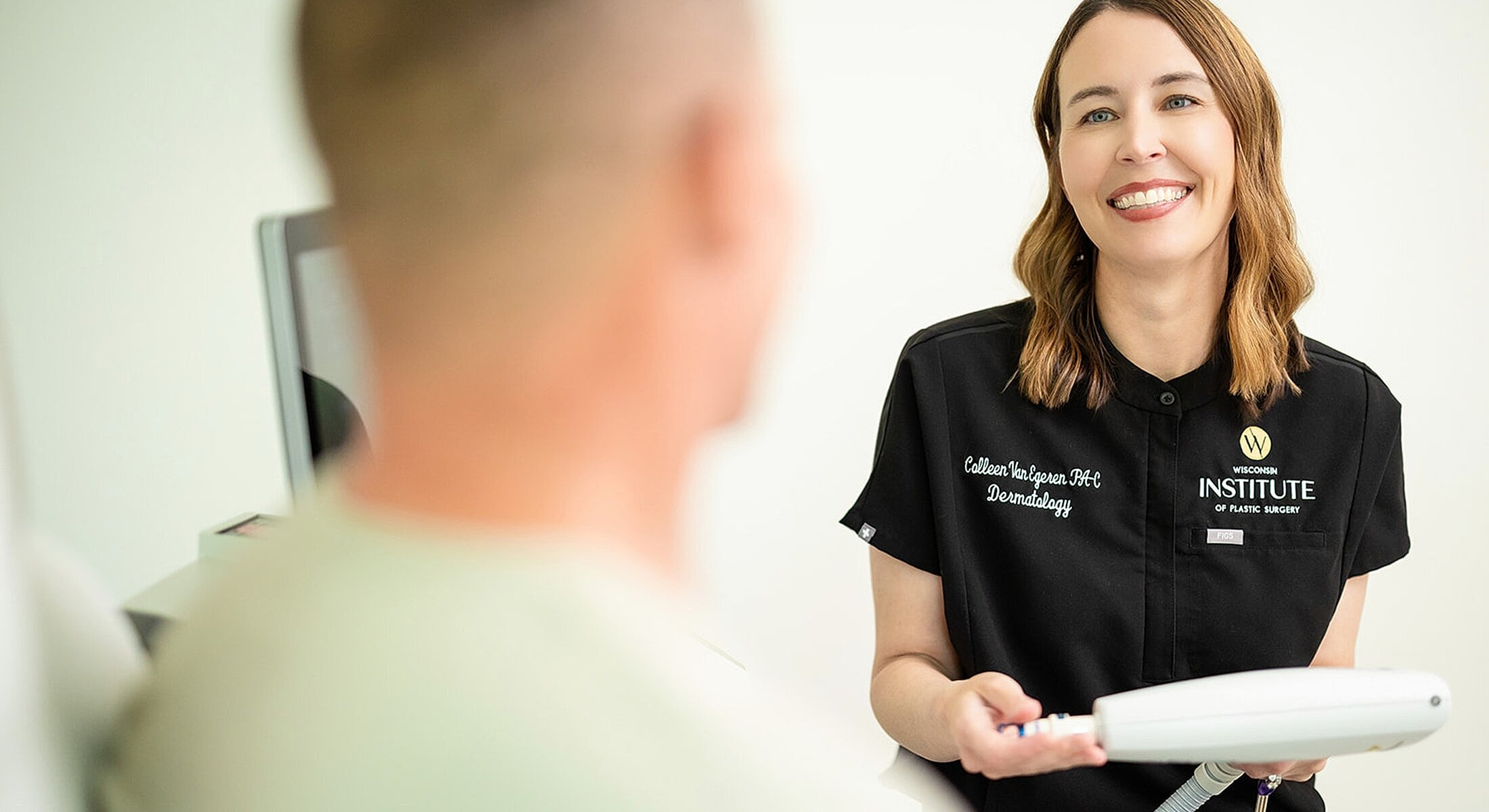
At the Wisconsin Institute of Plastic Surgery, our dermatology physician assistants, Colleen Van Egeren, PA-C, Brittney Budiac, and Megan MacCarthy, PA-C, have more than 40 years of combined experience treating various skin conditions. As dermatology specialists, they would love to talk with you about your needs and recommend a skincare treatment program just for you.

There is minimal downtime following an IPL Photofacial. You may experience mild redness and a sensation similar to a light sunburn for a few hours. Pigmented spots will temporarily darken, often described as having tiny coffee grounds on the skin, and will naturally flake off over 5 to 10 days. The most essential aftercare step is to apply broad-spectrum sunscreen diligently and avoid direct sun exposure while the spots disappear.

The initial results of the IPL Photofacial are visible as the treated pigmented areas begin to shed, typically one to two weeks after the session.
Looking to renew your skin and reverse problems of texture, tone, or color? IPL photofacials provide a safe, effective, non-surgical solution. With over 32 years of combined experience in dermatology, our specialists offer quality skincare solutions for patients in Green Bay, Appleton, and the surrounding communities.
Contact us today to schedule a consultation at (920) 380-9890.

The number of treatments required can vary from one patient to the next and typically depends on the condition you aim to treat, as well as the severity of your skin problems. For most patients, we recommend four to six sessions scheduled four weeks apart.
A single session takes between 15 and 30 minutes. There is some mild discomfort during the treatment, but it is generally very well tolerated. While it can take several weeks to see full results, many patients begin noticing improvement in their complexion within 10 days.
The results of an IPL photofacial will not last forever, though most patients enjoy their results for up to a year. We also recommend maintenance treatments, which can help extend your results even further. Two to three IPL sessions per year can sustain collagen production and result in revitalized skin long-term.
Additional ways to prolong your results include wearing sunscreen when you go outside, limiting direct sun exposure, and protecting your skin from damage.
No, while the face is the most common area, the IPL Photofacial is often performed on the neck, chest, and hands. These areas show the earliest signs of aging and sun damage and respond very well to treatment.
Yes, this is a normal and expected part of the process. The light energy causes the pigment in sun spots to rise to the surface of the skin, making them temporarily appear darker, before they naturally flake off. This is a sign that the treatment has been successful.
You may apply makeup immediately after the IPL Photofacial procedure, though we recommend using a gentle, mineral-based foundation. Applying makeup can help cover any temporary redness while the skin begins its healing process.
At the Wisconsin Institute of Plastic Surgery, you can enjoy a range of cosmetic procedures and dedicated care in our offices in Appleton and Green Bay. As a double-board certified plastic surgeon, Dr. Sauerhammer specializes in rejuvenating surgical solutions, including breast augmentation, tummy tuck, and facelifts, designed to help you look and feel your best. We seamlessly integrate all our plastic surgery services with skilled dermatology care and aesthetic specialists: Megan MacCarthy, PA-C, Colleen Van Egeren, PA-C, and Amanda Olsen, PA-C. They prioritize your goals through comprehensive evaluations and advanced techniques to help you achieve optimal and long-lasting results.