Gynecomastia Surgery
in Green Bay and Appleton, WI

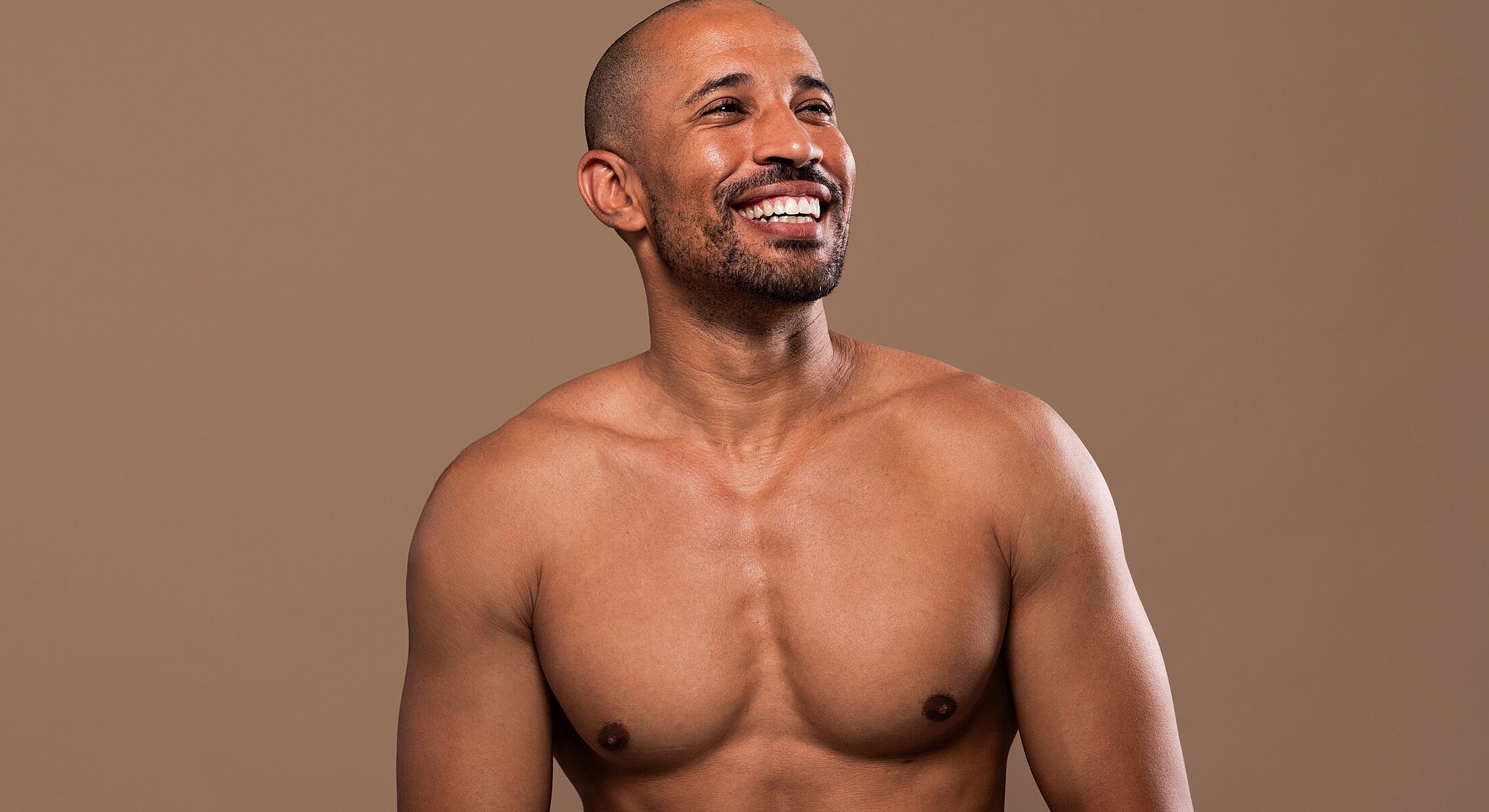
Gynecomastia is generally defined as enlarged breast tissue in males. It is believed to be non-cancerous and can be the result of a range of causes, including hormonal imbalance, such as the presence of more estrogen as opposed to a dominance of testosterone, conditions such as hyperthyroidism, or even certain medications.
While gynecomastia is common, it can significantly impact self-esteem. The gynecomastia surgery Green Bay patients trust is offered by Dr. Tina Sauerhammer of the Wisconsin Institute of Plastic Surgery, helping men achieve a more masculine chest contour.


Gynecomastia is more prevalent than many people realize and affects over half of the male population at some point in their lives. It can occur during puberty, adulthood, or even later in life. The emotional impact can be significant, leading to body image concerns, low self-esteem, and even anxiety or depression. The condition is often caused by a hormonal imbalance, but can also be related to genetics (idiopathic gynecomastia) or certain medications like tricyclic antidepressants or certain drugs.
Gynecomastia is classified into varying degrees of severity, from mild to severe. Dr. Sauerhammer will carefully evaluate your condition to determine the most effective treatment approach, which often includes surgery.
Gynecomastia surgery is the solution for the symptoms associated with the presence of enlarged male breasts.
Unilateral gynecomastia (affecting one breast) or bilateral gynecomastia (affecting both male breasts).
Firm, dense glandular tissue that cannot be reduced by losing weight.
Significant emotional discomfort and low self-confidence due to a feminine chest appearance.
Excess skin that may accompany excess breast tissue.
When considering surgery for gynecomastia, it can be helpful to know as much as possible about the procedure. That way, you can ensure you are prepared and make the right decision for you.
The process begins with a personal consultation. A thorough consultation will allow you to solidify your goals with the doctor, review your medical history, and discuss your expectations. The surgery itself will begin with anesthesia. This can be either local anesthetic sedation or general anesthetic, depending on your circumstances.
There are several gynecomastia surgical techniques. In some cases, Dr. Sauerhammer will use liposuction to remove excess fat from the area. An alternative method for removing excess breast tissue is called glandular excision. Depending on the severity of your gynecomastia, Dr. Sauerhammer may perform a skin excision to remove excess skin. The goal is always to achieve a natural, masculine contour with minimal scarring.

The benefits of gynecomastia surgery are both physical and psychological, offering a fundamental improvement in quality of life.
Restored Masculine Chest Contour
Gynecomastia surgery creates a flat, masculine chest. By removing the excess breast tissue, the procedure permanently corrects a feminine chest appearance, allowing most patients to wear fitted clothes and go shirtless with renewed self-confidence.
Significant Psychological Relief
The procedure also addresses the deep emotional discomfort and anxiety often associated with this medical condition. Restored confidence empowers male patients in social settings, intimacy, and daily life.

You may be a good candidate for surgical correction of gynecomastia if you are in good health, are at a stable body weight, and have tried to reduce your enlarged male breasts by losing weight without success. Before considering surgical intervention, Dr. Sauerhammer may require blood tests to check for underlying hormonal imbalances (such as luteinizing hormone or human chorionic gonadotropin levels) or a thorough review of your medical history and certain medications. It is also vital to rule out male breast cancer.

Following your gynecomastia surgery, you’ll be provided with detailed post-operative instructions. You’ll likely need to wear a compression garment and limit strenuous activity for a period of time to promote healing. Most patients can expect a recovery period of four to six weeks.
Additional recommendations include:
You’ll notice a flatter chest contour and renewed confidence as you heal. Surgical scars typically fade over time.
The change in chest contour is visible immediately after surgery, though the final, smooth shape will become fully apparent as swelling subsides over several weeks. Most patients see their final result within 3 to 6 months. Since the glandular tissue and excess fat are permanently removed, the results of male breast reduction surgery are generally considered permanent, provided you maintain a stable body weight and address any underlying medical causes contributing to male breast enlargement.
Beyond the physical refinement, achieving a flatter, more masculine chest contour offers profound emotional benefits. The Green Bay gynecomastia surgery experience at Wisconsin Institute of Plastic Surgery is built around delivering that emotional shift, and many patients describe a renewed sense of self-confidence and a freedom they haven't felt in years. Simple acts like wearing a fitted t-shirt, swimming shirtless, or navigating daily life without self-consciousness become effortless and enjoyable. This subtle yet significant shift in confidence can lead to an improved quality of life, allowing you to focus on your career, fitness, and social engagements instead of worrying about your appearance.

Choosing the Wisconsin Institute of Plastic Surgery provides you with a range of benefits. Dr. Sauerhammer has almost 15 years of experience in breast tissue procedures and is double board-certified by the American Board of Plastic Surgery and the American Board of Surgery.
Among the gynecomastia surgery Appleton patients consider, Wisconsin Institute of Plastic Surgery offers a personalized care experience and tailored treatment plan to meet your needs. You’ll benefit from discreet care to protect your privacy, all within a comfortable, state-of-the-art facility. If gynecomastia is affecting your confidence, contact Wisconsin Institute of Plastic Surgery in Appleton or Green Bay today. We’ll answer your questions and help you explore your options.
While the overwhelming majority of enlarged male breasts are benign, it is important to rule out the slight chance of male breast cancer. Dr. Sauerhammer reviews your medical history and may perform blood tests or a biopsy of the excised tissue to ensure no malignancy is present.
Unilateral gynecomastia affects only one breast, while bilateral gynecomastia affects both male breasts. Dr. Sauerhammer can provide surgical correction for either presentation, though the principles of male breast reduction remain the same.
Liposuction is used to treat the fatty tissue component of enlarged male breasts. If the male breasts are primarily composed of excess fat, performing liposuction alone may suffice. However, if firm glandular tissue is present, excision is also required, creating a combination approach. In some cases, excess skin may also be removed to sculpt a sleeker, more masculine chest shape.
Dr. Sauerhammer is committed to providing natural-looking results with minimal scarring. For excision, the incision is typically placed discreetly around the lower edge of the areola (the dark skin around the nipple), blending the small incisions so that they are easily hidden.
At the Wisconsin Institute of Plastic Surgery, you can enjoy a range of cosmetic procedures and dedicated care in our offices in Appleton and Green Bay. As a double-board certified plastic surgeon, Dr. Sauerhammer specializes in rejuvenating surgical solutions, including breast augmentation, tummy tuck, and facelifts, designed to help you look and feel your best. We seamlessly integrate all our plastic surgery services with skilled dermatology care and aesthetic specialists: Megan MacCarthy, PA-C, Colleen Van Egeren, PA-C, and Amanda Olsen, PA-C. They prioritize your goals through comprehensive evaluations and advanced techniques to help you achieve optimal and long-lasting results.