Chemical Peels
in Green Bay and Appleton, WI

If your skin appears dull, textured, or marked by past blemishes and sun damage, you are seeking a simple yet powerful solution to restore its vibrancy.
Skin cell turnover naturally slows over time, leaving the complexion looking lackluster. At Wisconsin Institute of Plastic Surgery, we offer professional chemical peels—a customized treatment to accelerate this renewal process. We tailor the type and depth of the peel to ensure you receive a sophisticated, targeted level of resurfacing.
A chemical peel is a procedure in which your provider applies a solution directly to your skin to remove the top layers. As your new skin grows, it’s healthier, smoother, and more even in tone and texture.
Chemical peels can range from mild to deep peels. They can help treat:
A light peel removes only the top layer of skin, while a medium peel removes the top and the middle layers. A deep peel removes even more layers and can be the right choice for deeper wrinkles and scars.
Light and medium peels can be effective for most skin types. Those who might not be ideal candidates for deeper peels are individuals with a history of abnormal scarring, conditions that make the skin more sensitive, or who cannot stay out of the sun for the required recovery period.
Chemical peels are the third-most-common minimally invasive cosmetic procedure in the United States. Each year, providers perform an average of 1.3 million chemical peels, and the procedure remains popular.
These procedures can address many skin concerns and give you a more youthful, refreshed look. Experience the benefits of this popular procedure and visit Wisconsin Plastic Surgery in Appleton or Green Bay to learn more.

A chemical peel is a skin resurfacing procedure that uses chemicals to remove the top layer of dead skin cells. This can help improve the appearance of wrinkles, sunspots, and other surface-level blemishes on the face. The results will vary depending on the type of chemical used and its strength. People may opt for a mild chemical peel or a deeper treatment to achieve more significant results.
The process begins with thoroughly cleansing and preparing the skin before the chemical peel is applied. It is important to use a cleanser or toner that matches your skin type to reduce irritation and maximize results. Once applied, it may remain on the skin for 5-15 minutes, depending on its strength and desired outcome.
Once completed, your skincare specialist will remove the chemical solution with water or another rinse agent, then apply aloe vera gel to soothe the skin. Over time, fresh layers of new skin are revealed as old layers slough off due to continuous moisturizing and protection from sun exposure, which is essential during this healing process.
We believe that true beauty comes from within, and we’re here to help you reveal the most vibrant version of yourself.
Chemical peels are effective for a range of skin issues. They significantly improve uneven skin texture and tone, making the skin feel smoother. They are an excellent treatment for active acne and can help fade mild acne scars and hyperpigmentation. Peels also diminish the appearance of superficial fine lines and reduce the visibility of sun damage and dark spots, promoting a youthful clarity.

The most commonly treated area is the face. However, chemical peels can also be safely applied to the skin of the neck, chest (décolletage), and hands to correct textural and pigment irregularities in these often-exposed areas.
Chemical peels provide immediate and long-term improvements to the complexion. They result in immediate exfoliation, leaving the skin feeling incredibly soft and smooth.
The treatment brightens the complexion by lifting dull surface cells and promoting a more even skin tone. By triggering cellular turnover, regular peels also enhance the efficacy of your at-home skincare products, allowing them to penetrate deeper for superior long-term results.

Patients in Appleton and Green Bay choose Wisconsin Institute of Plastic Surgery because of the skill, experience, and personal attention that our team provides. Learn what other people in our community have to say about our doctors and their treatment.
Most healthy adults seeking textural improvement or correction of mild pigment are excellent candidates for a light or medium-depth peel.
You should not have a chemical peel if you have an active skin infection, open wounds, or have taken certain oral acne medications recently. Our providers will carefully evaluate your skin type, tone, and goals to select the precise peel that is both safe and effective for you.
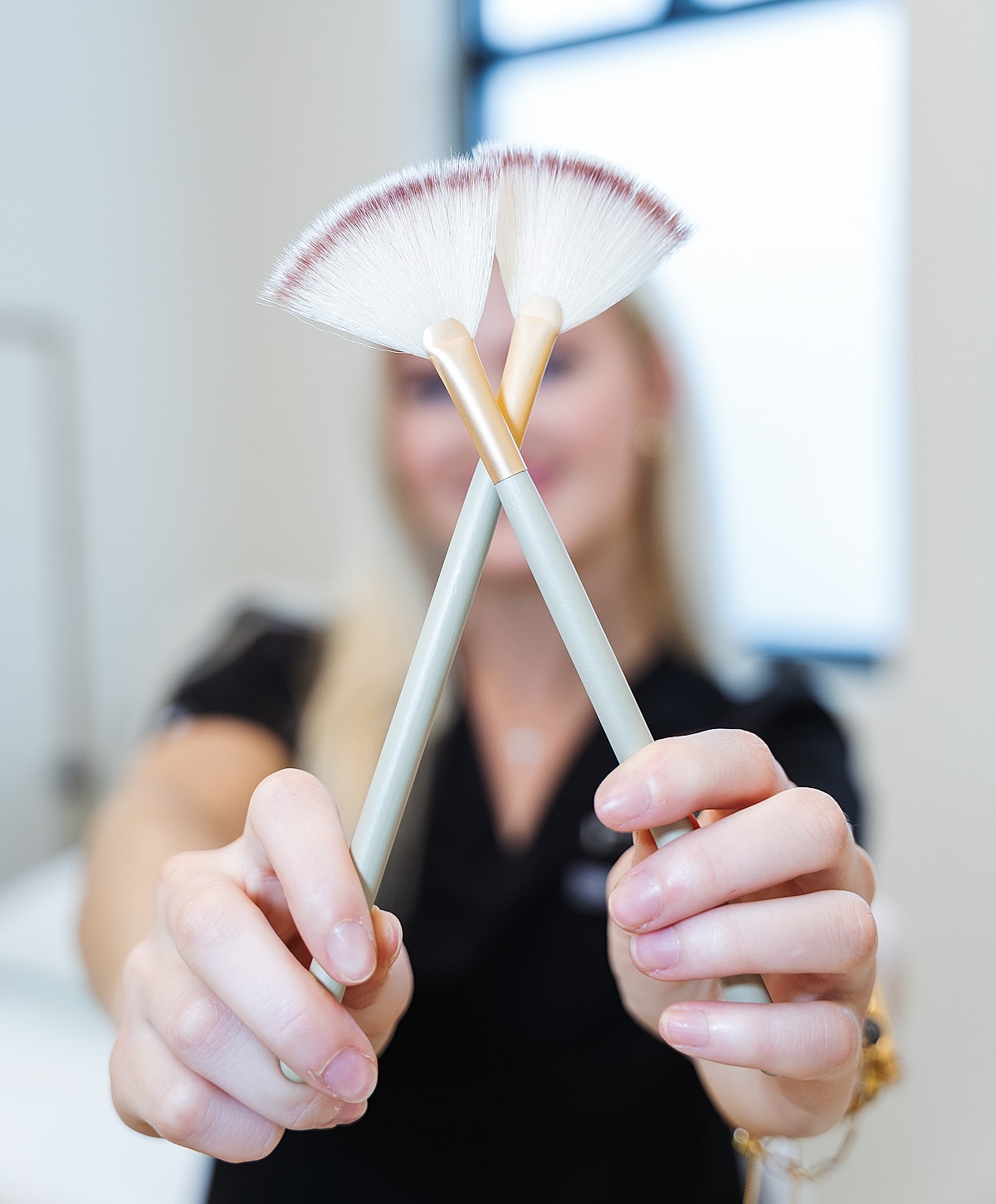

After a chemical peel, there is minimal downtime. You should stay out of the sun and always wear sunscreen when outside during the daytime. Your skin might be more sensitive, and you want to protect it. Likewise, avoid saunas, hot tubs, and tanning beds for at least 24 hours. You may also need to apply special creams provided by your skincare specialist.
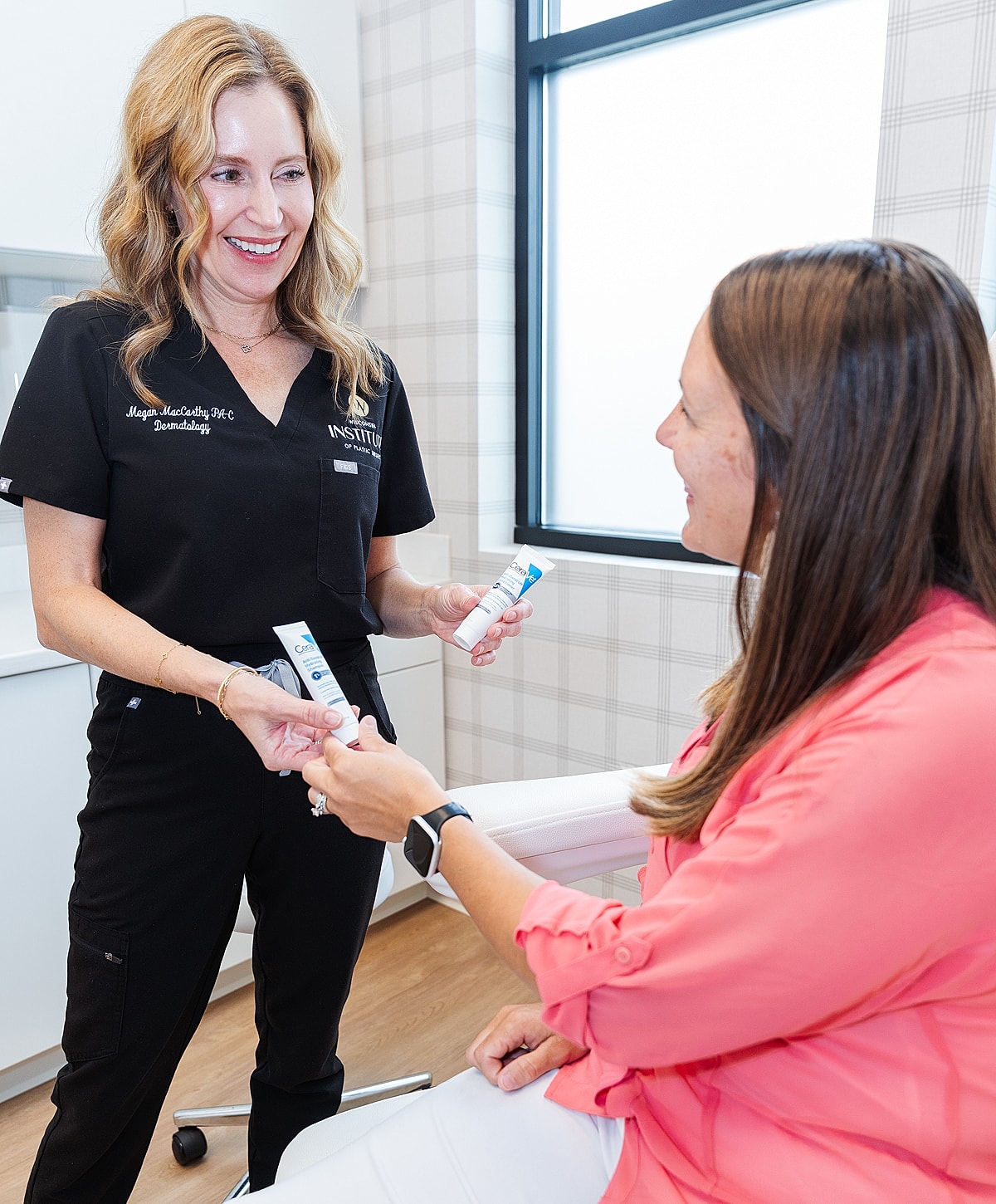
The full, refined results of a peel are generally visible once all the outer layers have shed, which takes about 1 to 2 weeks, depending on the depth of the peel. The skin will appear noticeably smoother, clearer, and more radiant.
These results are long-lasting, but since your skin continues to age and accumulate damage, we recommend periodic maintenance peels, often in a series of three to six, to sustain the vibrant appearance.
Having healthy and rejuvenated skin can help you look and feel your best. At the Wisconsin Institute of Plastic Surgery in Appleton and Green Bay, WI, our providers offer personalized treatment with beautiful results. Learn more about skincare specialists and how they can help you maintain youthful, radiant skin.
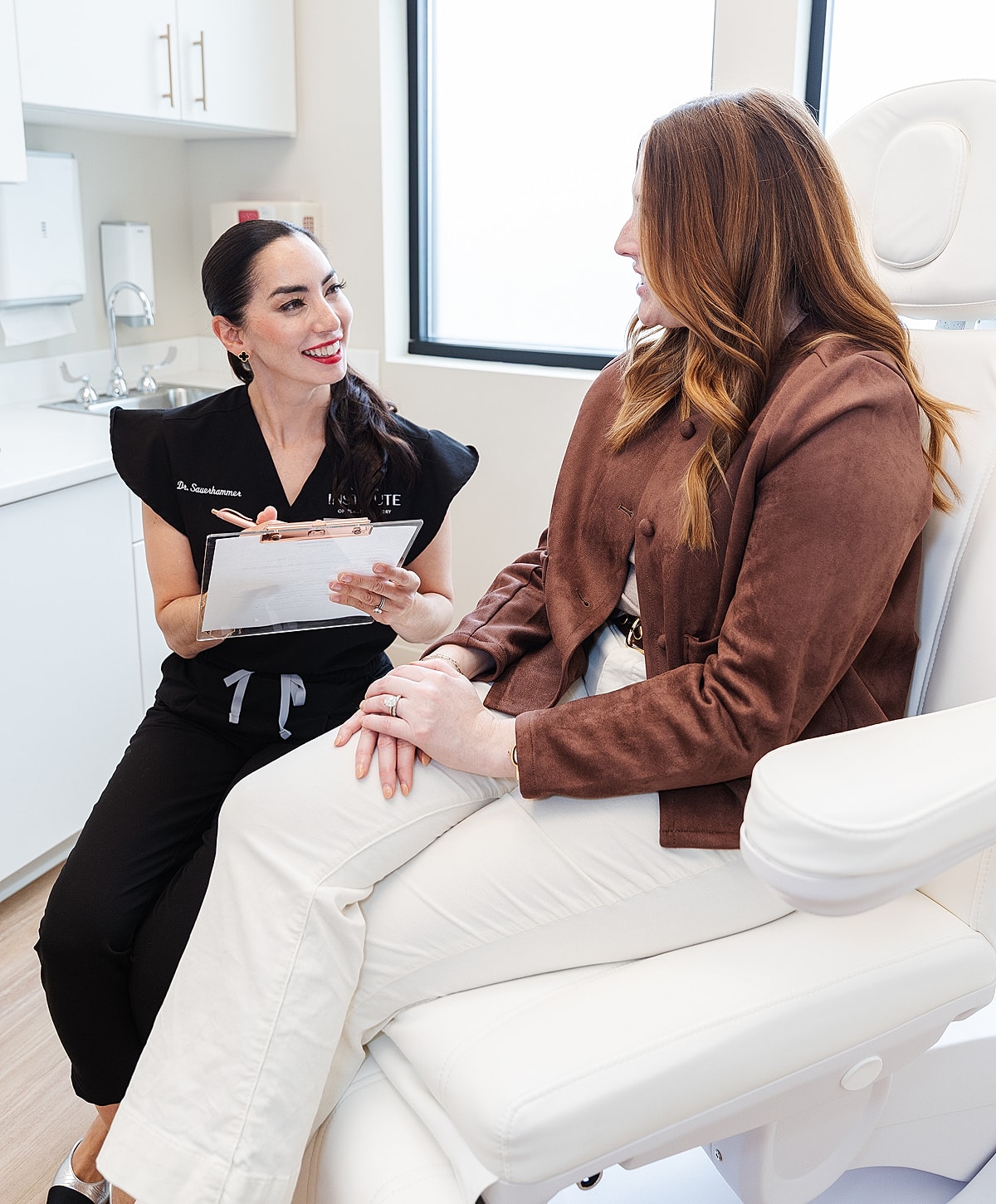
Yes, our providers offer very gentle, superficial peels specifically formulated for sensitive skin types. These peels contain lower concentrations of acids to provide light exfoliation and brightening without causing excessive irritation or prolonged redness.
Yes, chemical peels are highly effective for treating dark spots, sun damage, and melasma. The peeling process causes the cells containing excess pigment to shed, revealing a more even skin tone. Deeper peels provide the most significant results for stubborn pigmentation.
The frequency depends on the depth of the peel. Light, superficial peels can be safely performed every 3 to 4 weeks. Medium-depth peels, which require more healing time, are typically recommended every 3 to 6 months.
No, a chemical peel promotes skin health. By stimulating cell turnover and promoting collagen production, peels actually encourage the growth of healthier, new skin cells. The key to long-term health is strict sun protection following any resurfacing treatment.
At the Wisconsin Institute of Plastic Surgery, you can enjoy a range of cosmetic procedures and dedicated care in our offices in Appleton and Green Bay. As a double-board certified plastic surgeon, Dr. Sauerhammer specializes in rejuvenating surgical solutions, including breast augmentation, tummy tuck, and facelifts, designed to help you look and feel your best. We seamlessly integrate all our plastic surgery services with skilled dermatology care and aesthetic specialists: Megan MacCarthy, PA-C, Colleen Van Egeren, PA-C, and Amanda Olsen, PA-C. They prioritize your goals through comprehensive evaluations and advanced techniques to help you achieve optimal and long-lasting results.