Published
3 minute read
 Skin barrier repair has become one of the most talked-about topics in dermatology. While the term may feel trendy, the science behind it is not new. Supporting the skin barrier has always been central to maintaining healthy, resilient skin. What has changed is how often we see barrier damage contributing to common skin concerns.
The skin barrier is the outermost layer of the skin. Its role is to protect against environmental stressors while keeping essential moisture in. When the barrier is functioning well, skin appears calm and hydrated.
When the barrier is disrupted, skin becomes more reactive. This can show up as redness, flaking, burning sensations, breakouts, or difficulty tolerating products that once felt fine. Barrier disruption is often the underlying issue rather than the primary condition itself.
We are seeing more barrier damage than ever before. Several factors contribute to this shift:
The result is skin that is constantly inflamed or sensitized. This has pushed skin barrier repair to the forefront of dermatology conversations.
Supporting the skin barrier starts with a simplified and intentional routine. From a clinical standpoint, consistency matters more than complexity.
Dermatology providers often recommend:
Barrier repair is not about eliminating active ingredients forever. It is about restoring balance so the skin can tolerate treatments appropriately.
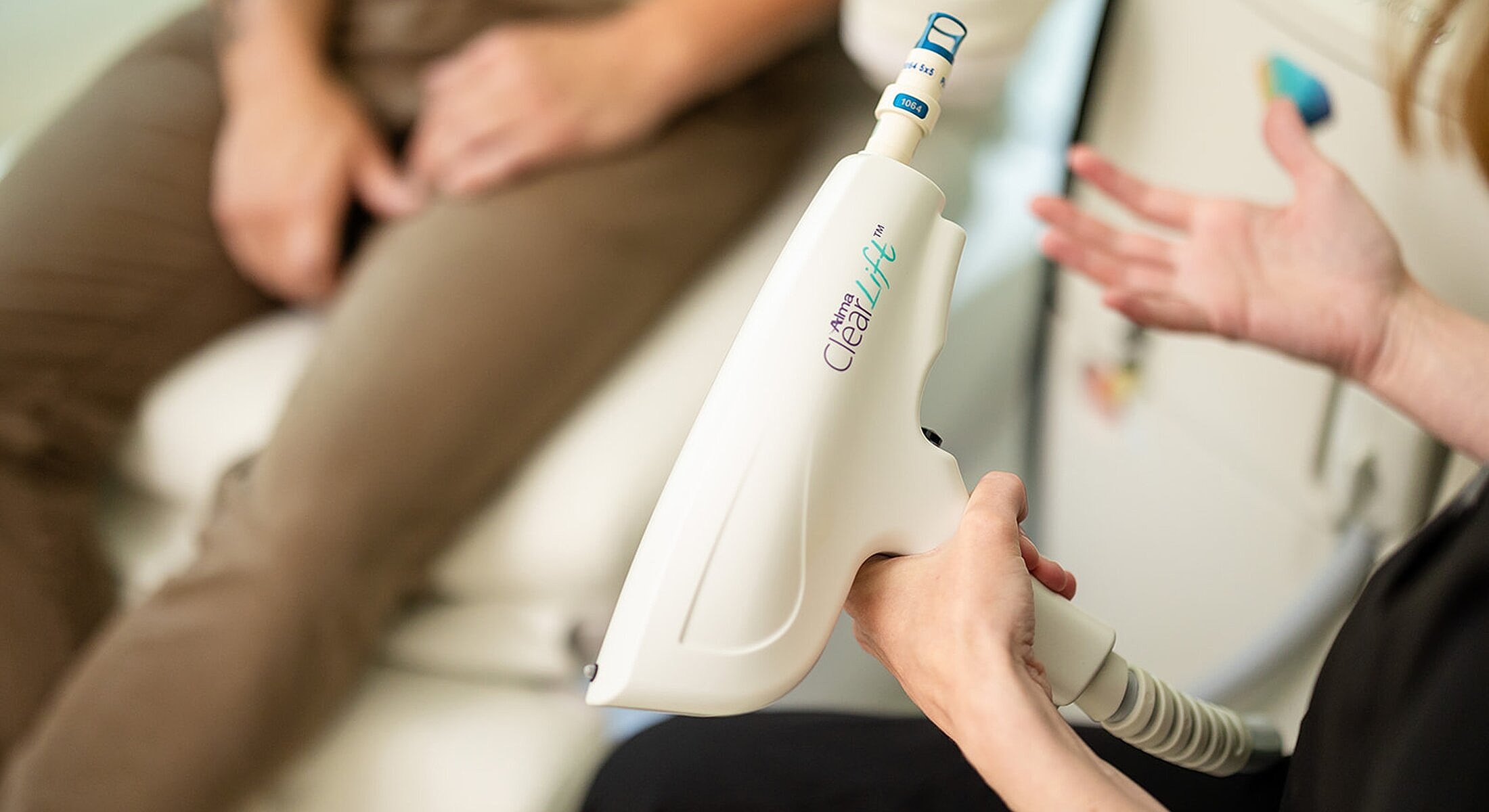
Professional treatments can play an important role when barrier damage is persistent or paired with other skin concerns. Certain in-office services help calm inflammation, improve hydration, and support skin renewal without overwhelming the barrier.
Depending on skin type and condition, dermatology providers may recommend treatments such as:
These treatments are most effective when paired with a provider-guided home routine. Addressing the barrier first allows other treatments to work more effectively over time.
If skin feels consistently irritated, reacts unpredictably, or worsens despite changing products, it is time to seek professional evaluation. Barrier issues are often misidentified as acne, rosacea, or sensitivity alone.
Working with dermatology providers allows for a personalized approach based on skin history, lifestyle factors, and treatment goals. This guidance helps prevent overcorrection and supports long-term skin health rather than short-term fixes.
Skin barrier repair is not just a trend. When the barrier is supported, skin becomes more resilient and results are more sustainable.
At Wisconsin Institute of Plastic Surgery, our dermatology providers focus on evidence-based care that prioritizes skin health first. By addressing the barrier, we help patients build routines and treatment plans that support their skin now and in the future. Learn more about dermatology at Wisconsin Institute of Plastic Surgery.